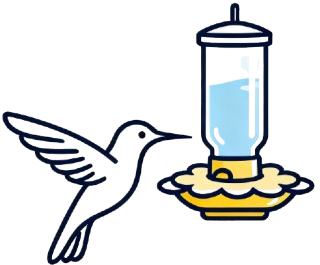
Hummingbird Feeder: Multi-hole design vs. single-hole performance—which is better for your garden?

Installing a suitable hummingbird feeder in your garden can not only attract beautiful hummingbirds but also add a unique natural charm to your yard. However, choosing the right hummingbird feeder design, especially the difference between multi-hole and single-hole designs, can often be difficult. So, which design is right for you? Today, we’ll analyze the performance differences between the two in detail to help you make an informed choice.
Table of Contents
1. Multi-hole design vs. single-hole design: differences in function and performance
Advantages of porous design
Multi-hole hummingbird feeders typically have multiple feeding holes, allowing hummingbirds to feed in different locations simultaneously. This design not only helps prevent fighting among hummingbirds but also improves feeding efficiency. Especially if you live in an area where hummingbirds are active, multiple feeding holes allow multiple hummingbirds to enjoy feeding at the same time.
- Attract more hummingbirds: The porous design allows more hummingbirds to enjoy the honey water at the same time, making it suitable for large gardens or places where many hummingbirds gather.
- Reduced fighting: Since each hummingbird has its own feeding spot, this avoids the phenomenon of hummingbirds fighting over food.
However, while a multi-hole design is more efficient in situations with many hummingbirds, it requires careful control of the honey water flow. Too many holes may prevent hummingbirds from getting enough honey water in time, especially if the feeder is installed high up or in a windy location.
Advantages of single-hole design
In contrast, the single-hole design of the hummingbird feeder is simpler and easier to manage. A single feeding port means that only one hummingbird can feed at any given time, which may be a more suitable option for households with a small number of hummingbirds.
- Precise flow control: The single-hole design can precisely control the amount of honey flowing into the sucker each time, avoiding excessive waste or loss.
- Simple structure: Compared to multi-hole designs, single-hole designs are easier to maintain and less prone to leaks or blockages.
However, the single-hole design also has some limitations, especially when there are many hummingbirds. It may cause hummingbirds to wait in turn to feed, thus reducing feeding efficiency.
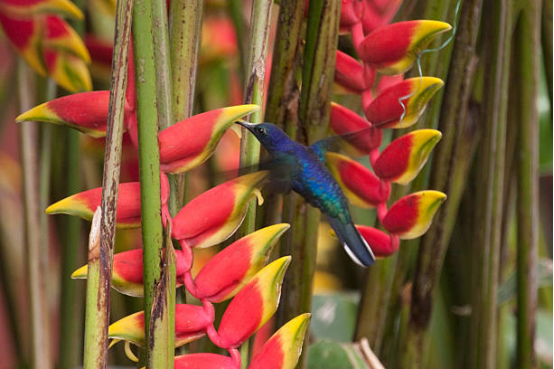
2. Which design better suits your needs?
Scenarios where a porous design is chosen
If you frequently have multiple hummingbirds visiting your neighborhood, or if you have a large garden, then a multi-slot design would be a good choice. Multiple feeding ports can provide food to multiple hummingbirds simultaneously, reducing competition among them and thus improving feeding efficiency.
Situations where a porous design is suitable include:
- Your garden or yard is quite large, and you have a large number of hummingbirds.
- I hope to be able to feed multiple hummingbirds at the same time.
- You want to reduce fighting among the hummingbirds and provide more feeding space.
Scenarios where a single-hole design is chosen
If your garden is small or you have a limited number of hummingbirds, a single-hole design is a better choice. It’s not only simpler and more practical, but it also allows for precise control of the honey water flow, preventing waste. Furthermore, a single-hole design is also suitable for those who appreciate a refined and minimalist style.
Situations where a single-hole design is suitable include:
- Your garden is relatively small, so there are fewer hummingbirds.
- More precise flow control is needed to avoid waste.
- I like simple yet efficient designs.
3. How can I optimize my Hummingbird Feeder user experience?
Whether you choose a multi-hole design or a single-hole design, proper use will significantly improve the performance of your hummingbird feeder.
Regular cleaning and maintenance
Hummingbird feeders need to be cleaned regularly to prevent mold growth or attracting unwanted insects. Honey, in particular, is prone to fermentation in sunlight, which can pose a health hazard to hummingbirds. A thorough cleaning every two weeks is recommended, especially during the summer or in warmer climates.
Choose a suitable location
Location is key to the effectiveness of a hummingbird feeder. Hummingbirds prefer to feed in safe, open areas, so choose a sunny spot that is sheltered from wind and rain. Also, ensure the feeder is elevated above the ground to avoid disturbance from small animals.
Adjust flow control
Flow control is another important aspect of optimizing the hummingbird feeder user experience. Different feeder designs result in varying degrees of effectiveness in flow control. Multi-hole designs, in particular, require adjusting the flow rate of nectar based on the number of hummingbirds to prevent excessive loss or waste.
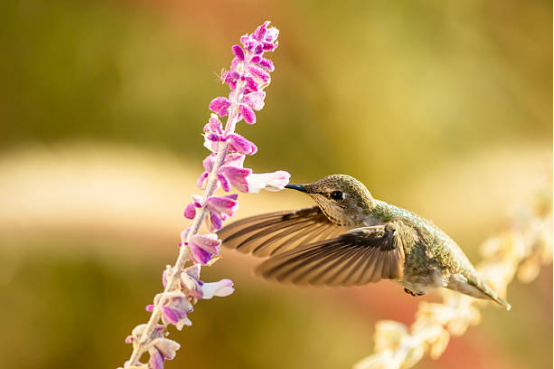
4. Summary: Multi-hole design vs. single-hole design, which is more suitable for you?
In conclusion, both multi-hole and single-hole designs have their advantages and disadvantages, and the choice depends entirely on your needs and the number of hummingbirds. If you live in an area with high hummingbird activity, or have a large garden, a multi -hole hummingbird feeder may be more suitable ; if you prefer a simple, easy-to-manage design, or have a smaller number of hummingbirds, then a single-hole design would be the more ideal choice.
Regardless of the design you choose, the right location, regular cleaning, and proper flow control will ensure your hummingbird feeder attracts hummingbirds while providing the best feeding experience.