How to keep Hummingbird Feeder Nectar Fresh During the Summer Heat

With the arrival of summer, flowers in the yard bloom in profusion, and hummingbirds become active, becoming the most lively little sprites in the garden. For families who love nature observation and gardening, summer is the peak season for setting up hummingbird feeders. However, in high temperatures, sugar water is prone to fermentation and mold growth, which not only affects the health of the hummingbirds but may also spoil your viewing experience. Therefore, mastering scientific methods for setting up and maintaining these feeders is crucial.
Table of Contents
I. The impact of high summer temperatures on hummingbird food
1. Sugar water is prone to fermentation and poses health risks.
Hummingbirds primarily rely on sugars for energy, but the high temperatures of summer accelerate the growth of microorganisms in sugar water, leading to fermentation. Common manifestations include:
- The sugar water has darkened in color and smelled sour.
- Bubbles or turbidity
- Hummingbirds showing decreased appetite or avoiding the Hummingbird Feeder
Feeding hummingbirds fermented sugar water over a long period may affect their digestive system and even cause illness. Therefore, the sugar water must be kept fresh during periods of high temperatures.
2. Accelerated microbial growth
The hot and humid environment of summer is a breeding ground for mold, yeast, and bacteria. Especially if hummingbird feeders are not cleaned regularly, residual sugar water can spoil quickly. Scientific research shows that under high temperature and humidity, sugar water exposed for more than 24 hours can lead to bacterial growth, posing a threat to the health of hummingbirds.
II. Choosing the right Hummingbird Feeder
1. Material and Capacity
- Choosing the right material is crucial when setting up a Hummingbird Feeder in the summer:
- Glass: Easy to clean, does not easily leave sugar residue, and is heat resistant.
- Food-grade plastics: lightweight and easy to move, but attention should be paid to their heat resistance.
- Capacity: Due to high access frequency in summer, it is recommended to choose 250-500ml to avoid excessive sugar water causing rapid spoilage.
2. Design and Function
- Anti-drip design: Reduces sugar water waste
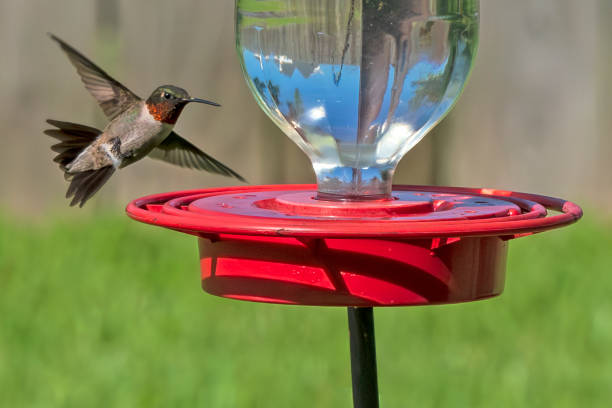
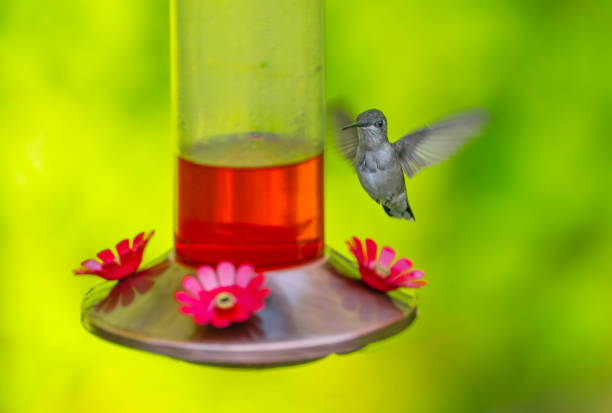
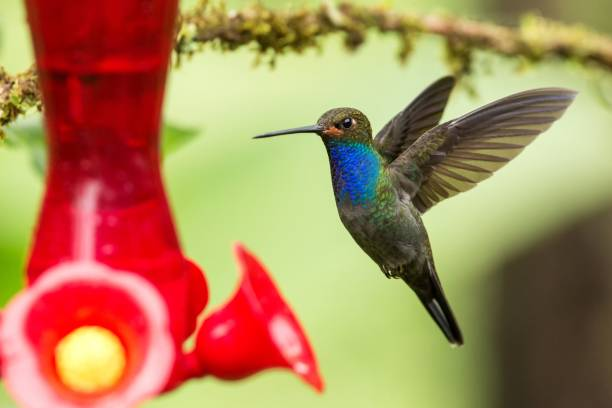
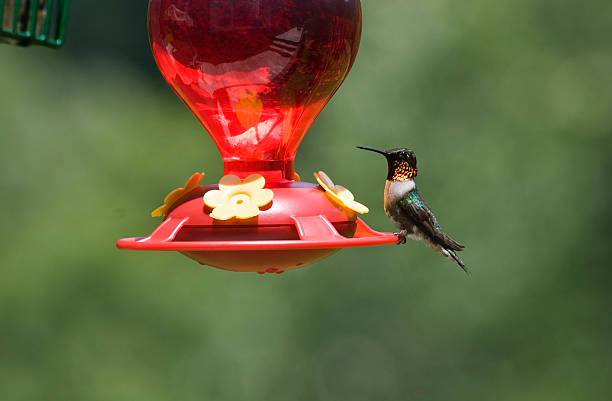
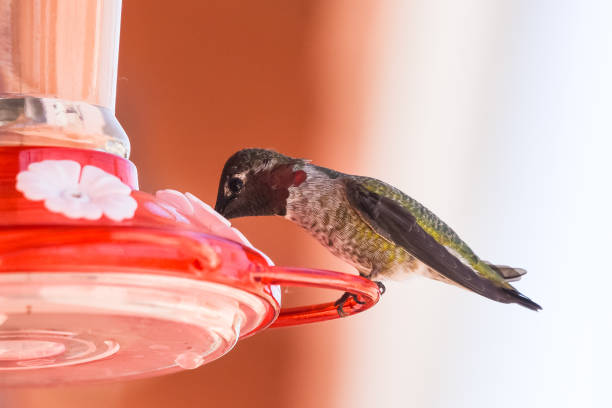
- Colors that attract hummingbirds: Red is the most effective.
- Detachable structure: facilitates disassembly, cleaning, and replacement of the sugar water.
A good Hummingbird Feeder can prolong the freshness of syrup while providing a safe and comfortable viewing experience.
III. Techniques for preparing and preserving sugar syrup
1. Standard sugar syrup ratio
- Dissolve 4 parts water and 1 part white sugar in boiling water.
- Pour the Hummingbird Feeder into the feeder after it has completely cooled.
- Avoid using red dyes, fragrances, or honey, as these may be harmful to hummingbirds.
2. Batch preparation and cooling
- Preparing sugar syrup in batches during the high temperatures of summer is safer:
- Small-capacity Hummingbird Feeder: Change daily or every other day.
- Cooling the syrup before pouring it into the Hummingbird Feeder can slow down spoilage.
3. Natural Preservation Techniques
- Place small ice cubes or a water-resistant insulated bag inside the Hummingbird Feeder.
- Choose a semi-shaded location to avoid direct sunlight.
- Rinse the feeder with warm water each time you change the sugar water to lower the temperature.
Combining these methods can effectively extend the freshness of sugar water.
IV. Location and Environmental Optimization
1. Avoid direct sunlight and high-temperature surfaces.
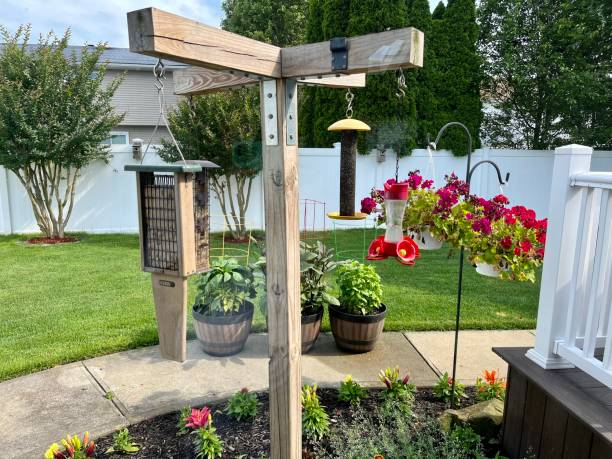
- A semi-shaded location is best, such as under a tree, under the eaves, or under a sunshade.
- Avoid hanging it directly on concrete or metal surfaces, as these will reflect heat and accelerate the spoilage of the sugar water.
- Maintaining air circulation helps hummingbirds eat comfortably.
2. Combining observation and education
Place the feeder in areas where the family frequently spends time:
- Near a window or terrace for easy observation
- Involving children in the setup and maintenance fosters a sense of responsibility and natural observation skills.
- An observation record sheet can be created to record the visit time, number of stops, and individual characteristics of the hummingbirds.
V. Cleaning and Maintenance Strategies
1. Cleaning frequency during high-temperature periods
In summer, it is recommended to thoroughly clean the Hummingbird Feeder every 2–3 days. Specific steps are as follows:
- Pour out the remaining sugar water
- Clean the feeding hole, bottle, and tray with warm water and a soft brush.
- Rinse with diluted white vinegar to ensure disinfection.
- Add fresh sugar syrup after it has dried completely.
2. Prevent the growth of mold and bacteria.
- Regularly check the color, taste, and clarity of the sugar water.
- Avoid leaving sugar water for too long
- Keep the Hummingbird Feeder dry to prevent water from becoming a breeding ground for bacteria.
3. The Value of Family Collaboration and Education
- Children can participate in cleaning the Hummingbird Feeder and preparing the syrup.
- Based on your observations, create a hummingbird diary or draw pictures.
- Learning patience, focus, and responsibility makes observation and experience more educational.
VI. Hummingbird Observation and Behavioral Analysis
1. Summer hummingbird behavior characteristics
- Be active in the morning or evening, avoiding the midday heat.
- The dwell time is relatively short, but the visit frequency is high.
- During periods of high temperatures, hummingbirds rely more on feeders to replenish their energy.
2. Scientific observation methods
- Observe hummingbird behavior at fixed times every day
- Record the duration of stay, number of times water was consumed, and individual differences.
- You can take photos or draw hummingbird charts to increase family involvement.
3. Educational and Emotional Value
- Learn patience and focus by observing hummingbirds
- Recording data cultivates scientific thinking
- Sharing observation experiences promotes parent-child communication.
VII. Challenges and Solutions During the Summer Heatwave
|
challenge |
Solution |
|---|---|
|
Sugar water spoils quickly |
Small capacity, multiple resupply, shade, cooling |
|
Ants or squirrels causing disturbance |
Ant-proof rings, squirrel-proof hooks, keep clean |
|
High temperatures cause hummingbirds to stay for shorter periods. |
Observe the patient morning and evening, and provide sugar water in batches. |
|
Mold growth |
Clean the feeder regularly and keep it dry and well-ventilated. |
|
Children’s participation in safety |
Adult supervision is required to prevent burns or accidental ingestion of sugary drinks. |
Scientific management can maximize the health and observation experience of hummingbirds while ensuring family safety.
VIII. Sharing of Family Practical Experiences
- Prepare the Hummingbird Feeder in advance: Start preparing at the beginning of summer and replenish the syrup promptly.
- Slice into small batches to avoid prolonged exposure of the sugar syrup .
- Choose a semi-shaded or well-ventilated location: to prolong the freshness of the syrup.
- Observation and recording: Creating migration diaries or charts
- Family Collaboration: Involve Children in Cleaning, Setting Up, and Record Keeping
- Integrating science education: Explaining hummingbird habits, energy requirements, and ecological value.
- Combining culture and emotion: Recording observations and insights, combined with stories or drawings.
IX. FAQ: Common Feeder Issues During the Summer Heatwave
Q1: How often should the sugar water be changed in the summer?
During periods of high temperatures, it is recommended to change the clothes daily or every other day.
Q2: Can the sugar syrup ratio be adjusted?
The recommended ratio remains 4:1 water to white sugar; too concentrated or too diluted a ratio is not good for health.
Q3: Can preservatives be added?
It is not recommended to use it. It is best to preserve freshness naturally by shading, batching, and cooling.
Q4: What should I do if the hummingbird stays for a very short time?
It is normal for them to be active in summer and stay for a short time; you can provide them with sugar water multiple times to observe them.
Q5: Can children participate?
Absolutely. Children can participate in the setup, sugar water preparation, and observation and recording under adult guidance.
Q6: How to prevent ants and squirrels from disturbing the environment?
Install ant-proof rings and squirrel-proof hooks, and keep the feeder clean.
Q7: Can I still feed my baby if the sugar water has gone bad?
Absolutely not, the sugar water must be replaced immediately with fresh sugar water.
Q8: What is the best location to place a Hummingbird Feeder in high temperatures?
Partial shade, good air circulation, safe height of 1–2 meters, while close to flowers and observation points.
Q9: Is it suitable for family education?
Perfectly suited to cultivate children’s sense of responsibility, observation skills, scientific thinking, and emotional management abilities.
Q10: What other observation tips are there during the hot summer months?
Observe hummingbirds in the morning or evening and record their preferred flowers or the location of the hummingbird feeder. Long-term data can be used to map hummingbird activity patterns.
X. Conclusion
Summer’s high temperatures are a peak season for hummingbird activity and a crucial period for keeping nectar fresh in hummingbird feeders. By scientifically preparing sugar water, properly arranging hummingbird feeders , regularly cleaning them, and recording their behavior, we can not only ensure the hummingbirds’ health but also enhance their value in family education, scientific awareness, and emotional management.
In the hot summer, with the right methods, a hummingbird feeder can become the most beautiful sight in the garden, allowing you and your family to enjoy nature, observe, and interact closely.