The growth and industrial value of global hummingbird-watching culture

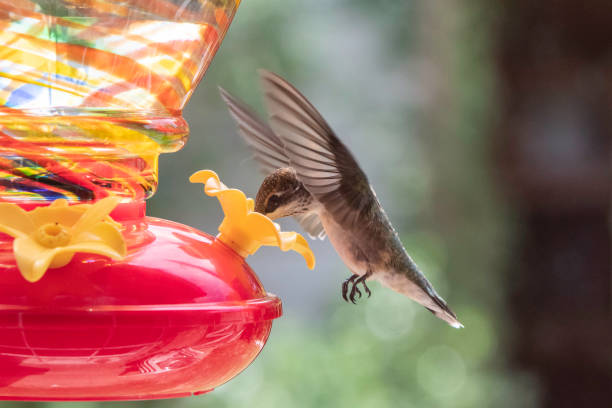
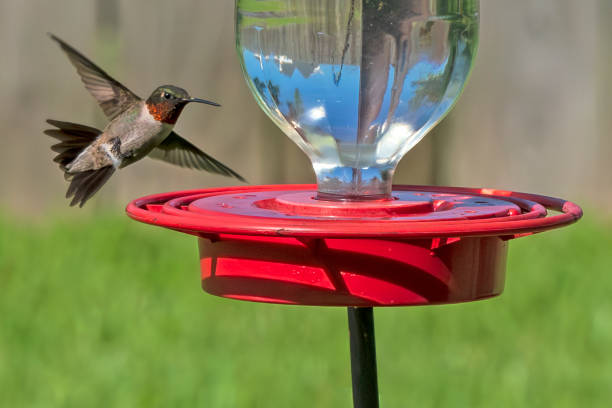
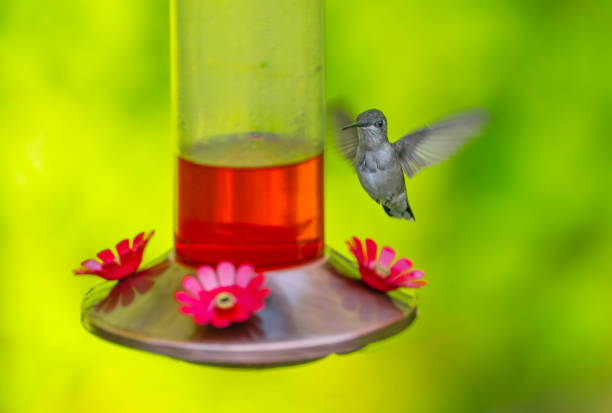
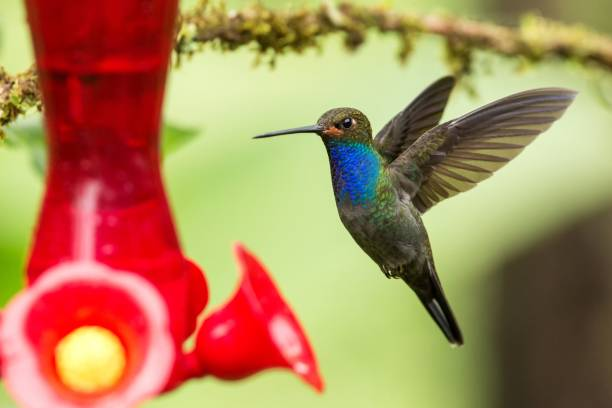
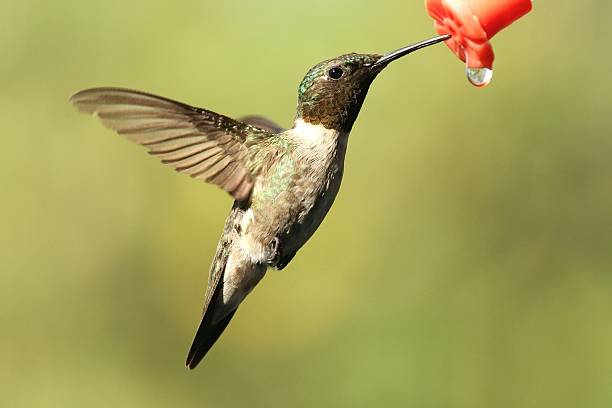
hummingbirds butHave you ever noticed those tiny creatures that dart across your balcony or backyard like lightning? That’s right, they are hummingbirds. In the past, to see hummingbirds, you had to travel to rainforests or remote nature reserves. Now, hummingbird feeders make it all possible—not only changing the way we observe hummingbirds, but also fueling a global surge in hummingbird culture.
-watchingFrom North American backyards to Asian city balconies, the hummingbird feeder is more than just a container for sweetened water; it has become an important vehicle for ecological culture, leisure, and even industrial value. This article will take you on a journey to explore the growth of the global hummingbird watching culture, the industrial value behind it, and the profound impact of this trend on ecological conservation and social life.
Table of Contents
I. The cultural diffusion of hummingbird feeders: from family backyards to a global perspective
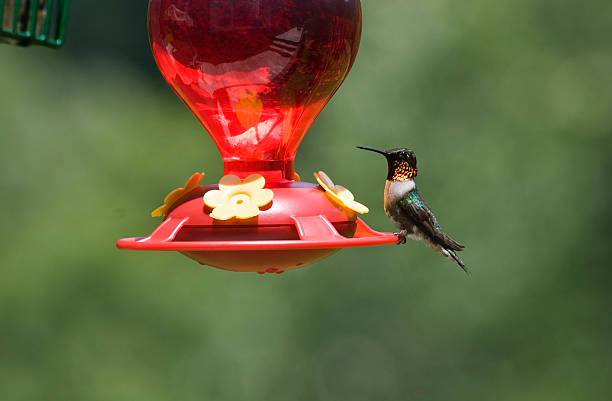
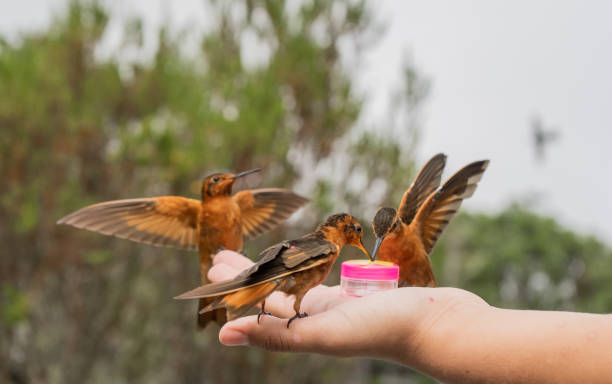
Decades ago, hummingbird watching was an activity requiring patience and specialized equipment. People had to wait for long periods, using binoculars to capture their brief stays. However, the widespread availability of hummingbird feeders has completely changed this paradigm.
- a part of everyday life
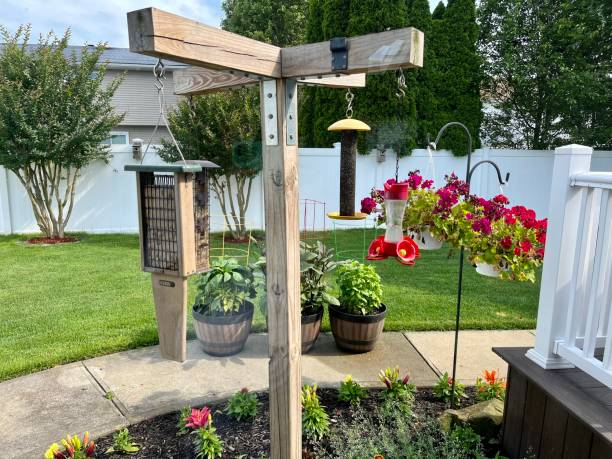
in many homes, with many families hanging feeders on their balconies, gardens, and even windowsills. The hummingbirds flying around not only bring life to the yard but also give family members and children the opportunity to observe these tiny flying creatures up close. - sharing
photos and short videos of hummingbirds. People share their observations of birds near feeders, exchange their insights, and contribute to the globalization of hummingbird culture. - hummingbirds whileeducation and inspirational
activities in schools and communities, the feeder also serves as a tool for nature education. Children learn about ecology by observing hummingbirds, while cultivating respect for and interest in the natural environment.
This cultural diffusion has brought about small but significant changes: more and more people are beginning to value the experience of “connecting with nature at home,” and the hummingbird feeder has become a bridge connecting humans and nature.
II. Ecological Significance: Feeder and Hummingbird Behavior
You might ask: Will frequent use of a feeder change the hummingbird’s natural behavior?
Indeed, hummingbird feeders provide hummingbirds with an additional energy source, especially during migration seasons or periods of food scarcity. This not only allows people to observe hummingbirds up close but also has some impact on their ecological behavior. For example:
- hummingbird showsbehavioral adaptations
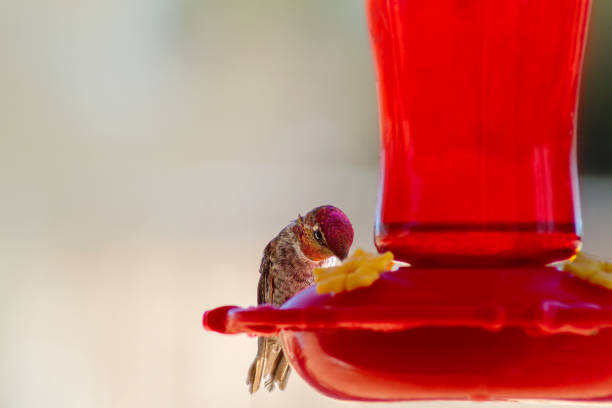
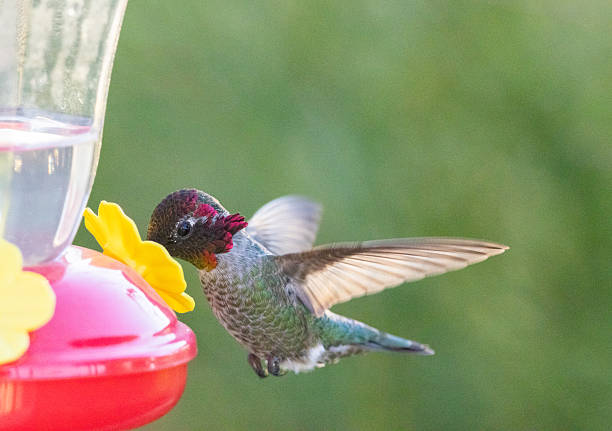
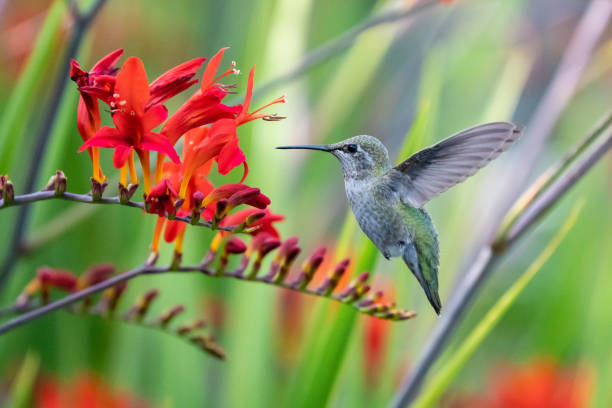
in North America, Anna’s hummingbird, shows that individuals who frequently use feeders may have longer, thinner beaks to quickly obtain sugar water from the feeder. This subtle morphological change suggests that everyday human behavior can indeed influence the evolution of wild animals. - feeders
offer convenience, scientists caution against relying entirely on artificial feeding. Hummingbirds still need natural foods such as nectar and insects, and maintaining a diverse diet is crucial for their health.
,By using hummingbird feeders appropriately , people can enjoy birdwatching while learning how to participate in conservation without damaging the natural ecosystem.
III. Diverse Manifestations of Global Hummingbird Observation Culture
The popularity of hummingbird feeders has spurred the development of various forms of hummingbird observation.
1. Family birdwatching and daily record keeping
seeMany families have turned the area next to the bird feeders into a small observation point. Parents and children record the time and species of birds they visit, and sometimes take photos and videos to upload to social media. This simple act has brought birdwatching culture from the professional circle into everyday life.
2. Community and Education Projects
Schools and community gardening associations use feeders to conduct eco-education activities, teaching children observation skills while educating them about the importance of protecting hummingbird habitats. These activities are not only fun but also cultivate a new generation’s environmental awareness.
3. Scientific Research and Ecological Monitoring
data andResearch institutions and conservation organizations also use feeders to collect hummingbird data, monitor population changes and migration patterns. Records kept near the feeders are even used to assess the ecological health of the area. This transforms the feeder from a mere tool into an auxiliary device for scientific research and ecological conservation.
IV. Industry Value and Market Growth
feeders haveWith the rise of birdwatching culture, hummingbird feeder has become a considerable industry segment. Data shows that the global outdoor bird feeder market is expected to maintain a compound annual growth rate of 5%-8% over the next decade.
1. Culture drives the market.
Birdwatching culture has led people to spend more money on high-quality feeders, even artistic, handcrafted versions. Families, community projects, and educational institutions are all significant consumer groups.
2. Technological innovation drives growth
Smart feeders are becoming popular:
- Sensors monitor bird visiting activities
- Mobile APP records in real time
- High-precision camera function, facilitating photography and scientific research.
This innovation not only enhances the user experience but also injects new vitality into the market.
3. Sustainable and Environmental Trends
More and more brands are adopting recyclable materials and eco-friendly designs to align their products with modern consumers’ ecological awareness. This trend is driving the overall outdoor eco-friendly product market towards premiumization.
4. Global retail channel expansion
E-commerce platforms have enabled hummingbird feeders to reach more countries and regions. Even in non-traditional hummingbird habitats, enthusiasts can easily purchase products and participate in birdwatching culture.
V. The Multiple Industrial Chain Value of Hummingbird Feeders
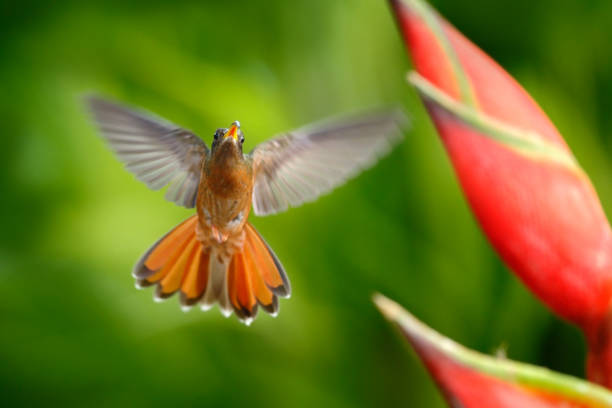
Feeder is not only a product itself, but it also drives the development of related industrial chains.
- -watchingecotourism
has led to the development of hummingbird watching routes and ecotourism projects, allowing tourists to observe hummingbirds and boosting the local tourism economy. - Photography and content creation:
Hummingbird Photography has become a new hotspot for enthusiasts, giving rise to photography courses, equipment sales, and online content platforms. - Educational and research
feeders serve as research tools, helping institutions monitor population dynamics and providing data support for conservation programs. - Eco-friendly product innovators
and manufacturers have incorporated eco-friendly materials and low-carbon production concepts into the Hummingbird Feeder product, expanding the market for outdoor eco-friendly products.
VI. Challenges and Sustainable Development
While the popularity of hummingbird feeders has brought enjoyment and industrial value, it has also presented some ecological challenges. Over-reliance on artificial feeding may alter hummingbirds’ natural foraging habits. Scientists suggest:
- A diverse diet: In addition to sugar water, it also provides natural nectar and insect sources.
- Habitat conservation: Plant native flowers in the city or backyard to create natural food sources.
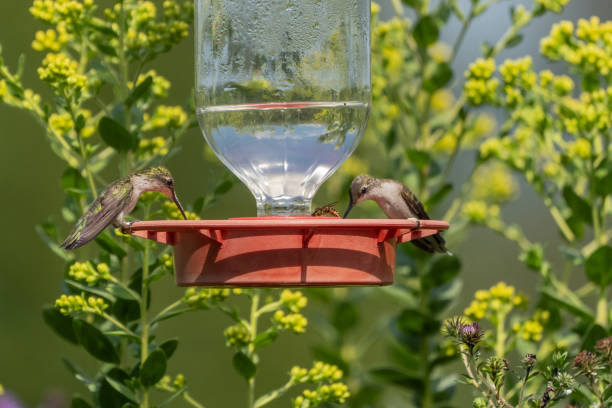
- Properly place feeders to avoid overcrowding and reduce interspecific competition.
This way, you can enjoy birdwatching without negatively impacting the ecosystem.
VII. Future Outlook
feedersIn the future, the development of hummingbird feeder will show the following trends:
- Digital birdwatching: Integrating AI intelligent recognition to record bird species and behavior in real time.
- Ecological education is being deepened: Schools and communities are more systematically incorporating hummingbird observation into their curricula.
- Global Cultural Exchange: Hummingbird Observation as a Vehicle for International Environmental Cultural Exchange
- Sustainable Product Innovation: High-end Eco-friendly Feeders Will Become the Market Mainstream
The hummingbird feeder is no longer just a gardening tool but an important link connecting humans, nature, and culture.
FAQ: Hummingbird Feeder Frequently Asked Questions
Q1: Will a feeder affect hummingbird migration?
A: Providing sugar water can supplement energy, but it should not be relied upon entirely. Hummingbirds still need natural food to maintain their health.
Q2: Which regions have the most prevalent hummingbird-watching culture?
A: North America is the most active, followed by Western Europe. Asia and the Asia-Pacific region are experiencing rapid growth.
Q3: How to record hummingbird observation data?
A: You can use smart devices, cameras, or birdwatching apps to record the time, species, and behavior of bird visits.
Q4: Is a handmade hummingbird feeder worth collecting?
A: Limited edition or signed pieces have collectible value and may appreciate in value over time.
Q5: What factors should be considered when choosing a hummingbird feeder?
A: Material, craftsmanship, functionality, aesthetic harmony, and ease of cleaning and maintenance are all essential.
In summary, the global popularity of hummingbird feeders has not only changed the way we birdwatch but has also promoted the development of culture, education, tourism, and environmental protection industries. It allows us to rethink the relationship between humans and nature while enjoying the beautiful sights of hummingbirds: life can slow down, and it can be more ritualistic.