Handcrafted Hummingbird Feeder: From Practical Tool to Collectible Artwork

In many people’s minds, a hummingbird feeder is simply a small device hanging in a yard or on a balcony—used to hold sugar water, attract hummingbirds, and then quietly hang there. However, if you have ever carefully observed the high-end gardening and craft markets, you will find a subtle and interesting change: the hummingbird feeder is evolving from a purely practical tool into a piece of art that combines artistry, aesthetic value, and even collectible value.
This shift not only reflects market trends but also modern people’s new understanding of lifestyle, interaction with nature, and self-expression. This article will take you on a journey through this transformation, from traditional functional items to the emergence of handcrafted art pieces, and how to select and collect them, giving you a comprehensive grasp of this trend.
Table of Contents
I. Traditional Hummingbird Feeder: The Era of Functionality First
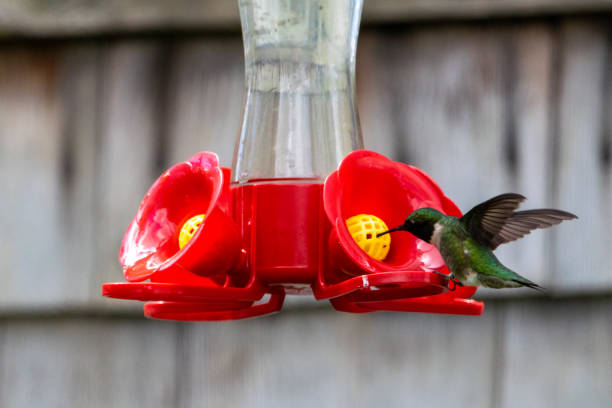
In the past, feeder design was very straightforward and feature-driven. Designers typically had only three main goals:
- Store sugar water: Ensure sufficient capacity and avoid frequent refills.
- Hummingbird accessibility: The feeding hole design conforms to the feeding habits of hummingbirds.
- Easy to clean and maintain: Simple disassembly reduces bacterial growth in sugar water.
These types of feeders are usually made of plastic or ordinary glass, with a uniform appearance, low cost, and high durability.
However, precisely because of its “function-first” approach, traditional feeders often suffer from the following pain points:
- Limited visual appeal: Hanging it in a garden or on a balcony offers almost no decorative value.
- Susceptible to weather conditions: Plastic materials are prone to aging and fading.
- Hummingbirds have limited appeal: their colors are monotonous or their designs are plain, making them uninteresting.
For those who enjoy gardening and appreciate the aesthetics of life, this hummingbird feeder often seems ordinary and lacks a sense of participation and ritual.
II. The Rise of the Handcrafted Hummingbird Feeder
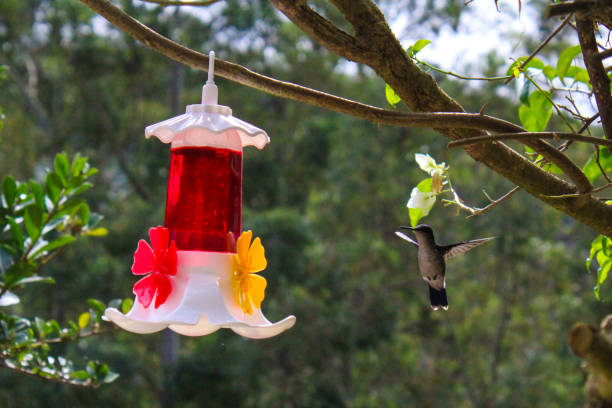
With the resurgence of handcrafted art and the popularity of garden aesthetics, more and more artisans are incorporating artistic concepts into the design of hummingbird feeders.
1. Diversification of handicrafts
- Glass blowing: Creating unique textures and bubbles using temperature changes.
- Pottery and Painting: Using glazes to create naturally gradient floral or fruit shapes
- Metalwork: Hand-forged supports or decorative details, combining structure and art.
- Natural Inspiration: Design elements are derived from natural forms such as vines, flowers, and feathers.
Each piece is unique, and even if made by the same craftsman, it is difficult to completely replicate. This uniqueness gives the hummingbird feeder its artistic value.
2. The balance between art and function
Handcrafted art feeders don’t sacrifice practicality for aesthetics. High-end designs typically consider the following functions:
- The feeding hole conforms to the hummingbird’s natural feeding habits.
- Ant-proof and leak-proof design reduces sugar water waste.
- The detachable structure makes it easy to clean and replenish the sugar water.
This “art + function” design makes the hummingbird feeder not only a visual treat, but also a real attraction for hummingbirds to stay.
III. Changes in User Selection Motivations
Market research shows that the factors users consider when choosing a hummingbird feeder are changing:
- Aesthetic needs: The feeder should be integrated into the yard decor.
- Emotional Value: Handmade items foster a stronger emotional connection and satisfy a sense of ritual.
- Gift attributes: Handmade feeders are often given as high-end gifts to express sentiments.
Many users say when making a purchase: “I not only want hummingbirds to come, but I also want the whole yard to look more like a home.”
This shows that the hummingbird feeder has evolved from a mere tool into a lifestyle expression. It’s not just about attracting hummingbirds, but also about encouraging people to stop and appreciate them.
IV. The Formation of Collectible Value
Some handcrafted hummingbird feeders have gradually come into the view of collectors. Their value is mainly reflected in the following aspects:
1. Scarcity
The handmade nature of the product means limited production, especially for limited editions or signature pieces. Every Hummingbird Feeder is unique.
2. Artist Identity
Hummingbird feeders bearing the artist’s signature or serial number have a significantly increased collectible value. The artist’s brand influence also affects long-term value.
3. Materials and Durability
High-quality glass, ceramic, copper, or wrought iron materials make the artwork durable and resistant to environmental damage.
4. Cross-industry attributes
It serves as a feeder, an outdoor decoration, and can even be used as an indoor display or art collectible. This “cross-over attribute” makes it more promising in the market.
5. Investment Potential
As the market for gardening and handcrafted art collectibles grows, the resale value of high-end feeders is also gradually increasing. Unique pieces purchased early on may appreciate in value over several years.
V. Artistic presentation does not equate to sacrificing function.
Many people are worried: “Will the art-themed hummingbird feeder be impractical?”
In fact, high-quality works often have a functional advantage:
- Appropriate aperture: Ensures hummingbirds can easily access food.
- Leak-proof design: Prevents sugar water from spilling, keeping the yard tidy.
- Easy to disassemble and clean: Prevents bacterial growth
- Ant and bee control: Reduce disturbance and allow hummingbirds to stay safely.
In these designs, art and function do not conflict, but rather reinforce each other. A good hummingbird feeder not only attracts hummingbirds but also makes the yard more refined.
VI. How to choose a feeder worth having long-term
When choosing a manual feeder, consider the following aspects:
Material selection
- High-temperature glass or copper metal is more durable
- Ceramics require antifreeze treatment.
Manufacturing process
- Hand-blown, painted, or forged to avoid traces of mass production.
- Does it have the artist’s signature or number?
Functional design
- Feeding hole, sugar water capacity, leak-proof and ant-proof functions
- Is it easy to disassemble and clean?
Aesthetics and Matching
- Coordinate with the style of the courtyard
- Do the colors and shapes suit your personal preferences?
Maintenance and Long-Term Value
- Consider cleaning, storage, and winter protection.
- Collecting artwork requires assessing its long-term value retention potential.
VII. Brand Perspective: Marketing and Value of Handmade Feeders
For brands, handmade feeders have several core advantages:
- Differentiation: Clearly distinguishing itself from mass-produced plastic products
- Emotional connection: When making a purchase, users not only consider functionality but also establish emotional identification.
- High-end gift attributes: suitable for giving as gifts on holidays or special occasions.
- Long life cycle: long service life, enhanced brand image
Some successful brands combine artist stories, handcrafted production process videos, or limited edition numbers to enhance the purchasing experience and user trust.
VIII. Future Trends: From Function to Lifestyle
It is foreseeable that the future trend of hummingbird feeders will be:
- Greater emphasis on artistry: combining courtyard landscape design with artworks
- Increased involvement of artisans: More limited edition or signed pieces will appear on the market.
- Expanding the collectors market: The value of high-end handcrafted hummingbird feeders will be recognized by more people.
- Enhanced ecological and educational value: Encouraging interaction with nature while promoting ecological conservation concepts.
Buying a handmade feeder is not just buying a tool, but buying a lifestyle.
FAQ: Frequently Asked Questions about Hummingbird Feeder
Q1: Is a handcrafted art feeder suitable for long-term outdoor use?
A: High-quality materials (glass, copper, ceramic) can be used for a long time, but ceramics need to be protected from freezing to avoid cracking in winter.
Q2: Do hummingbirds prefer brightly colored feeders?
A: Hummingbirds have a natural preference for red and highly saturated colors, and the colorful designs of handmade hummingbird feeders are more likely to attract them.
Q3: Is it difficult to clean a hand feeder?
A: High-quality designs usually have a detachable structure, making cleaning relatively easy. Use warm water with a small amount of neutral detergent to avoid chemical residue.
Q4: Are handmade feeders worth collecting?
A: Limited edition, signed, or uniquely designed pieces have high collectible value. High-quality pieces purchased early on may appreciate in value.
Q5: What is the most important factor to consider when choosing a feeder?
A: Material, craftsmanship, function, aesthetic harmony, and ease of maintenance are all essential.
Conclusion
From a traditional tool to an art collectible, the evolution of the hummingbird feeder reflects people’s new thinking about lifestyles and interactions with nature.
It is not just a container for providing sugar water to hummingbirds, but a comprehensive carrier of lifestyle aesthetics, garden design, and emotional experience.
When you hang up a carefully crafted handmade hummingbird feeder , it’s not just about attracting hummingbirds to stop, but also about reminding yourself that life can slow down and be more ritualistic.