From a retirement hobby to everyday companionship: How the hummingbird feeder subtly changes your lifestyle.

If you’ve ever seen a hummingbird briefly perch outside your window while making coffee in the early morning, the feeling is hard to describe in a single sentence.
Many people truly understand the meaning of a hummingbird feeder from that moment on.
Initially, it may have been just a recommended gardening item.
But later, it slowly became an indispensable part of life.
This is not an exaggeration but a real experience that many users have after using a Hummingbird Feeder for a long time.
Table of Contents
Why is the hummingbird feeder often considered the starting point for a “retirement hobby”?
Low barrier to entry, yet provides instant feedback.
Unlike complex gardening or pet keeping, hummingbird feeders have a very low barrier to entry.
You don’t need specialized knowledge or a lot of time:
- Simple installation
- Prepare sugar water
- Hang it up and wait.
But the feedback is very direct—whether the hummingbird has appeared is immediately clear.
This is precisely why many retirees choose the hummingbird feeder: it’s effortless yet responsive.
The psychological value of “having something to do”
After retirement, what is truly lacking is often not time, but the “sense of being needed.”
A Hummingbird Feeder offers a subtle yet genuine connection:
- The sugar water needs to be changed regularly.
- It is necessary to observe weather changes.
- A suitable location needs to be selected.
These seemingly trivial actions have given life a new structure.
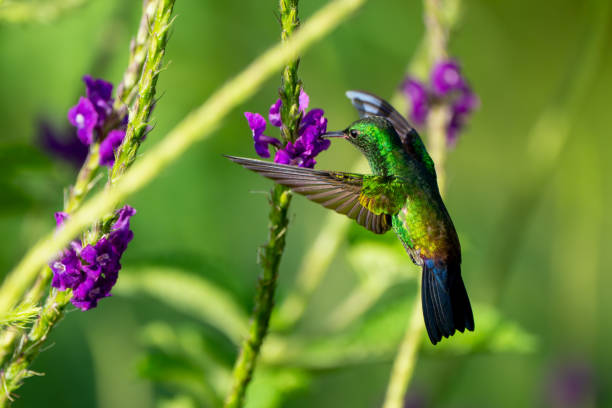
The First Hummingbird Visit: Many people remember it more clearly than they imagined.
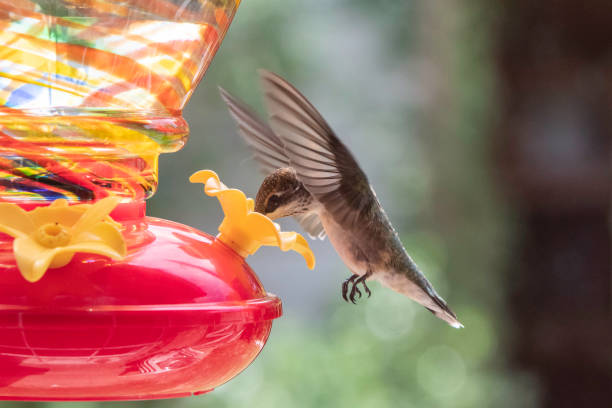
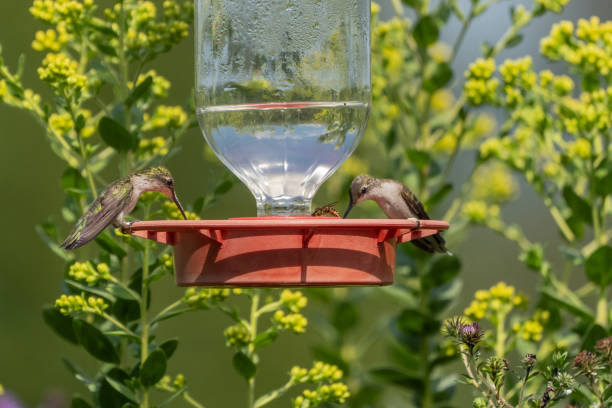
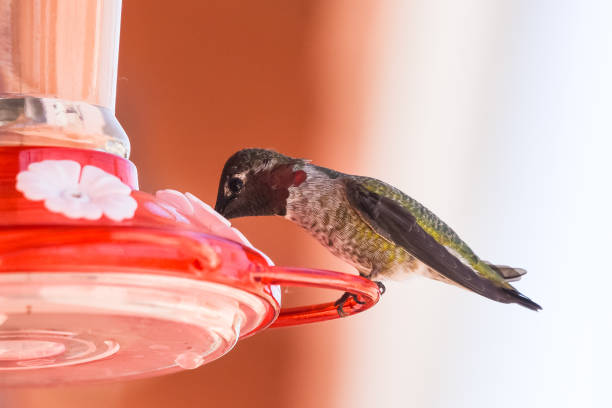
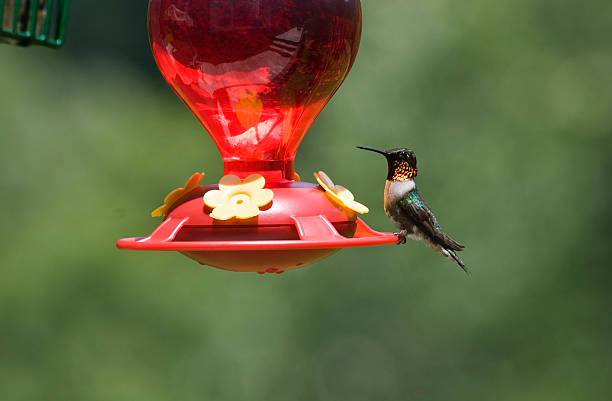
Almost everyone who has used a feeder for a long time can recall the moment when the first hummingbird appeared.
Perhaps:
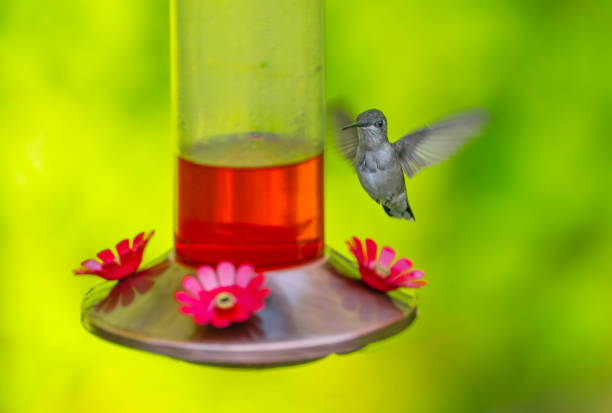
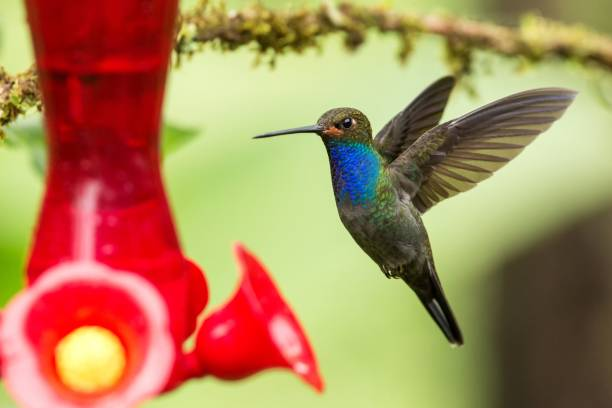
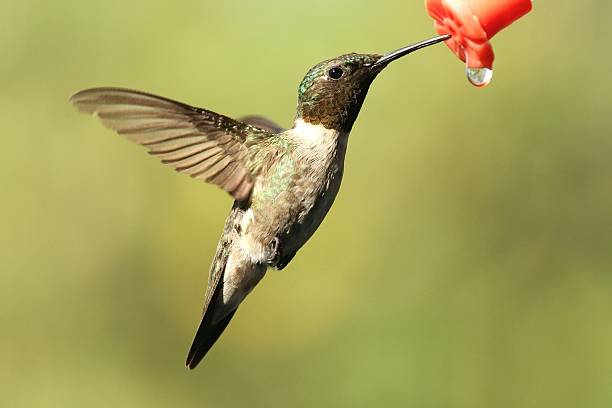
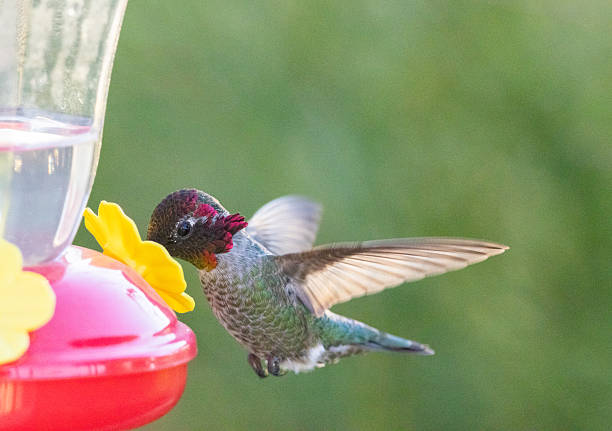
- Wings vibrating at high speed in the air
- A brief stay, followed by a quick departure.
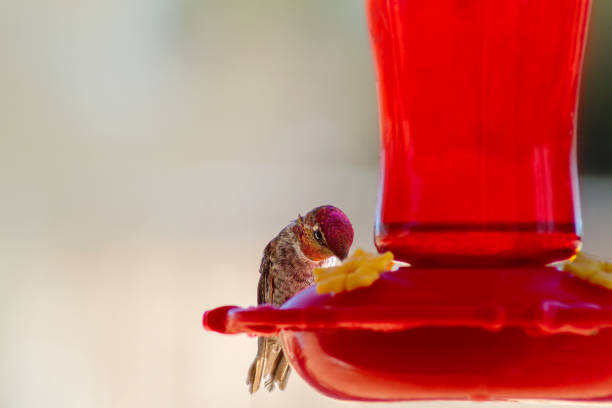
- Or perhaps you hesitated for a few seconds in front of the feeder.
That moment wasn’t lively, but it felt very real.
Many users later realized that the feeling wasn’t a “surprise,” but rather a natural response to your presence.
From occasional observation to genuine daily companionship
How can Hummingbird Feeder be integrated into daily life?
After a period of use, the changes often occur silently:
- When I open the curtains in the morning, I subconsciously glance at the feeder.
- During the afternoon break, I’ll keep an eye out for hummingbirds.
- In the evening, I would casually check if the sugar water needed to be changed.
It’s not intentional; it’s just a habit.
The hummingbird feeder has become a “fixed point” in my life, like a natural reminder before an alarm clock.
This is especially significant for people living alone.
Many users have reported that the biggest change brought about by a Hummingbird Feeder is not visual but psychological.
- There is expectation
- There is waiting
- A daily routine that is repetitive but not boring
This kind of light companionship is especially important for people living alone.
Emotional Changes: Not a Cure, but a Buffer
Many articles like to use the word “healing,” but in fact, the Hummingbird Feeder is more like an emotional buffer.
It won’t solve the problem, but it will:
- Interrupting anxiety
- Slowing down mood
- Let your attention briefly return to the present moment.
Observing hummingbirds feeding is inherently rhythmic.
This rhythm can unconsciously affect a person’s breathing and thoughts.
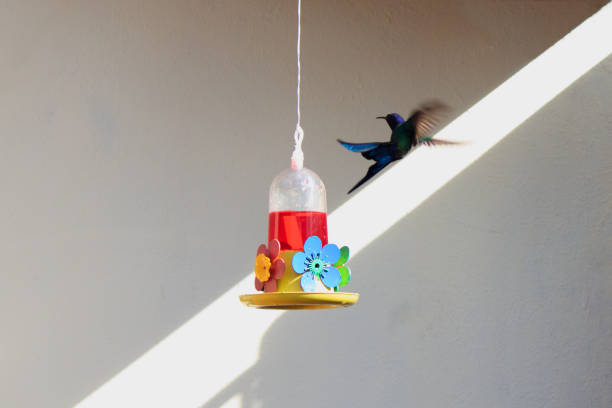
Living space redefined by the hummingbird feeder.
Balconies and backyards are no longer just “backdrops.”
What was originally just a passing space has become different because of the hummingbird feeder:
- The balcony became an observation point
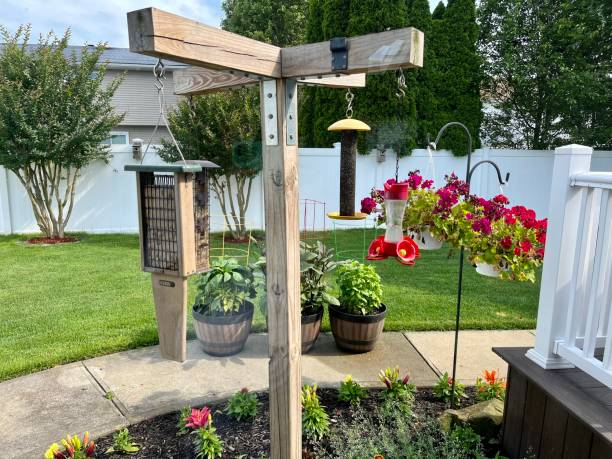
- The backyard began to be tidied up.
- A sense of anticipation grew by the window.
Space is no longer just a “place to put things,” but a place where people interact with nature.
Some people adjust their lifestyles around the feeder.
Many long-term users will make some natural extensions of these changes:
- Plant flowers that are more suitable for hummingbirds
- Adjust the position of outdoor furniture
- Reduce unnecessary interference
These changes were not intentional but rather aimed at achieving better coexistence.
Hummingbird feeders are no longer just for retirees.
The number of young users is increasing.
In recent years, the user structure of feeders has changed significantly:
- Remote workers
- Urban families
- Parents who want their children to connect with nature
They don’t see feeders as a “hobby,” but rather as a low-cost, low-burden, and natural way to connect.
Value in a fast-paced life
When life is fragmented too much by screens, feeders offer a completely different experience:
- No notification
- No algorithm
- No comparison
It’s either come or not come.
Details discovered after long-term use
After using the product for more than a year, many users will notice some subtle changes:
- Hummingbird’s familiarity with a specific feeder
- The “old friend” feeling brought about by seasonal return.
- Gradual adaptation to human existence
This is not domestication but a stable and restrained coexistence.
It is precisely because of the lack of excessive intervention that this connection feels so real.
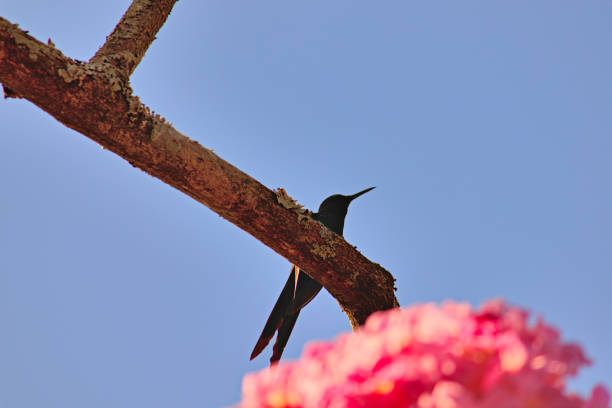
Why can such a small object bring about so many changes?
From an objective standpoint, the Hummingbird Feeder is not complicated:
- Low cost
- Simple maintenance
- Small space
But it touches upon many aspects of modern life that are often overlooked:
- Law
- Observe
- Wait
These seemingly insignificant behaviors are precisely the source of a quality life.
How to choose the right hummingbird feeder for you?
If this is your first time using a feeder, you can start with the following points:
- Material: Easy-to-clean and leak-proof designs are preferred.
- Capacity: Choose according to the number of hummingbirds to prevent the syrup from spoiling.
- Color: Red elements are more likely to attract hummingbirds.
- Suspension method: Stable and safe, avoiding frequent shaking.
Choosing the right hummingbird feeder is part of the experience itself.
Frequently Asked Questions (FAQ)
Q1: Does the feeder really attract hummingbirds?
Yes, hummingbird feeders are highly attractive to hummingbirds, provided the location is right and the sugar water ratio is correct.
Q2: How often should the feeder be cleaned?
It is generally recommended to clean the birds every 3–5 days, and more frequently in hot weather, to ensure their health.
Q3: Is the feeder suitable for urban environments?
Perfect for any location. Even a balcony or small garden with an open view is likely to attract hummingbirds.
Q4: Do we still need to use a feeder in winter?
Whether it continues to be used depends on whether the local hummingbirds migrate; in some areas, hummingbirds can still be observed in winter.
In conclusion: True companionship often doesn’t need a voice.
From a retirement hobby to daily companionship, the changes brought about by the hummingbird feeder are not dramatic.
It’s more like a continuous, gentle presence that won’t bother you.
Perhaps it is this “non-interference” that has unknowingly changed life itself.