Spring Hummingbird Returns: How to Set Up Your Feeder for Family Observation and Education

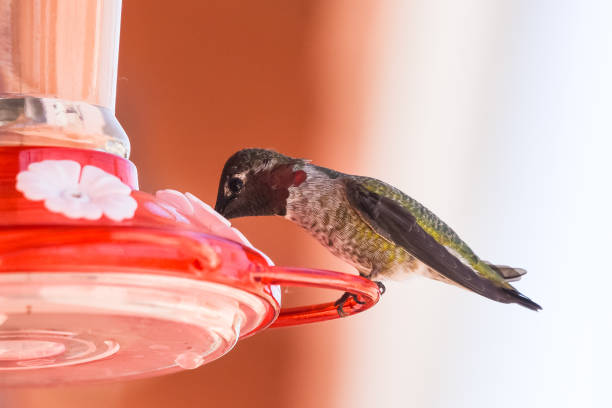
Spring is the season of renewal and also a crucial time for hummingbirds to begin their northward migration. For nature lovers and gardening families, understanding the best time to set up a hummingbird feeder not only allows you to observe these lively little creatures up close but also provides the necessary energy support to help them successfully complete their migration and breeding cycles.
This article will detail the patterns of hummingbirds returning in spring, techniques for selecting and setting up hummingbird feeders, maintenance precautions, and how to enrich family life and nature education by observing hummingbird activities.
Table of Contents
I. Overview of Spring Hummingbird Migration
1. The migratory patterns of hummingbirds
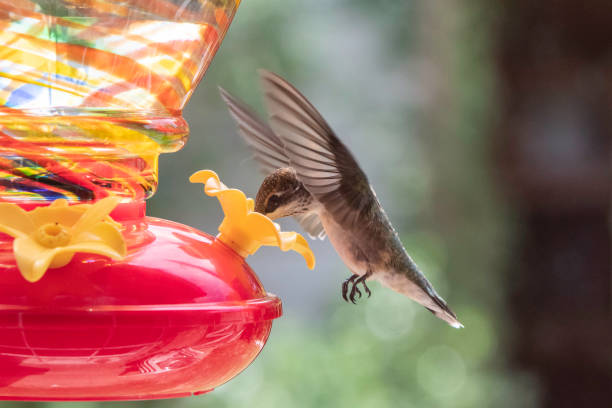
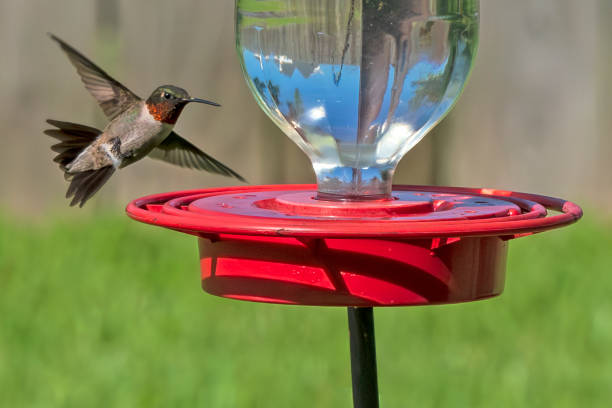
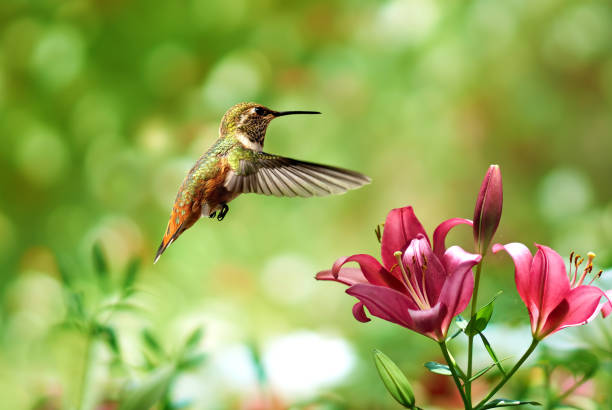
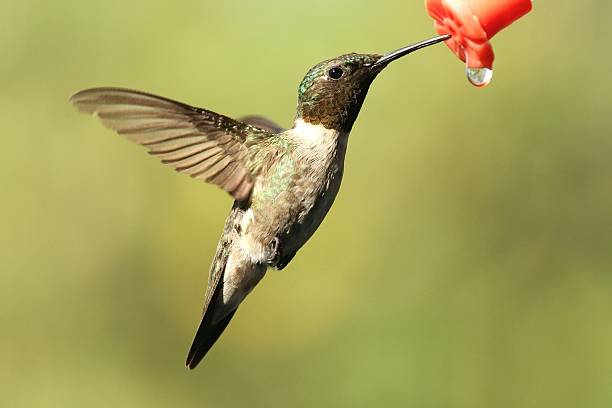
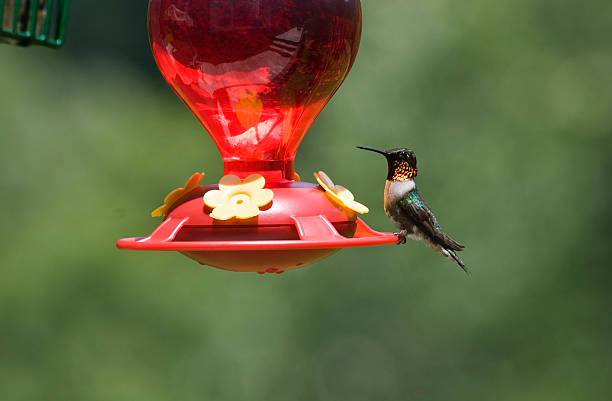
Hummingbirds are a group of small birds that beat their wings at high speeds. Their migration routes are closely related to temperature and the flowering season. The Ruby-throated Hummingbird, common in North America, typically migrates north from Mexico or Central America to the eastern United States and southern Canada between March and April each year.
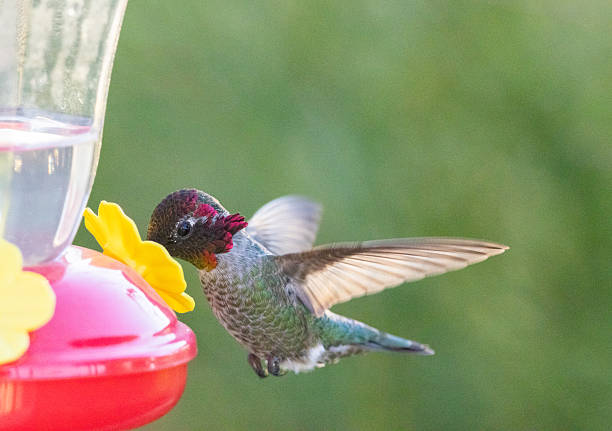
At the beginning of their migration, these birds need a large amount of energy reserves to complete their long-distance flight. Therefore, setting up hummingbird feeders in the spring can provide these migratory birds with timely sugar water supplements, making them an important food source during their migration.
2. Climate and Regression Time
- Southern region: Hummingbirds may begin to arrive in early March.
- Central region: Late March to early April
- Northern region: April to May
The feeder should be set up slightly earlier than the hummingbirds’ expected return time to ensure that the sugar water and garden environment are ready when they arrive.
II. Principles for Selecting and Placing Hummingbird Feeders
1. Choose a suitable Hummingbird Feeder
setting up a Hummingbird Feeder in the spring, please keep the following points in mind:
- Material safety: removable and washable glass or environmentally friendly plastic.
- Moderate capacity: Since visitor numbers may be lower in early spring, a 250–500 ml capacity is recommended.
- Leak-proof design: Prevents waste of sugar water and reduces intrusion by ants or other small animals.
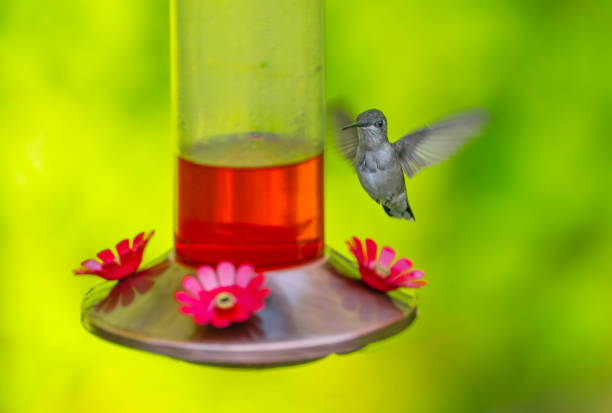
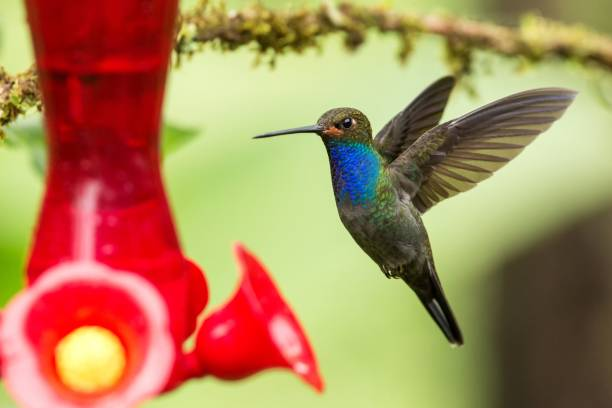
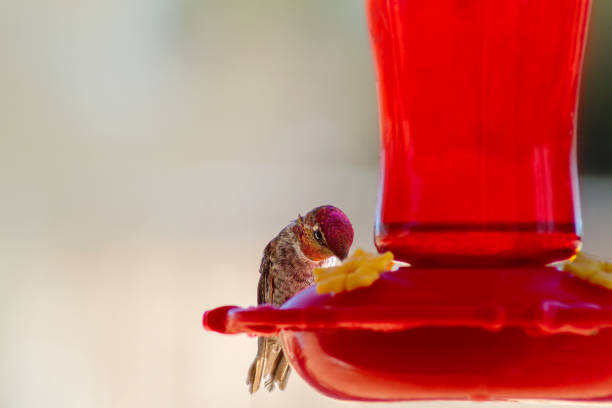
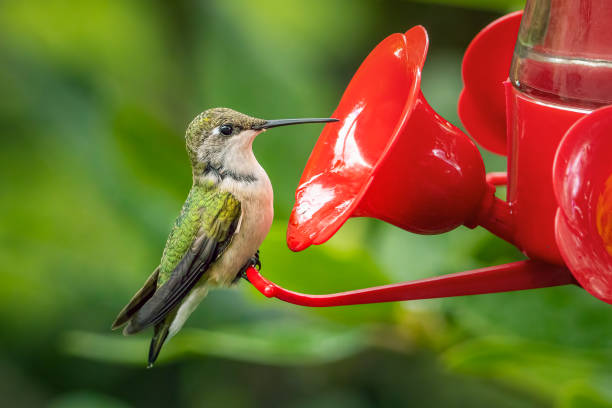
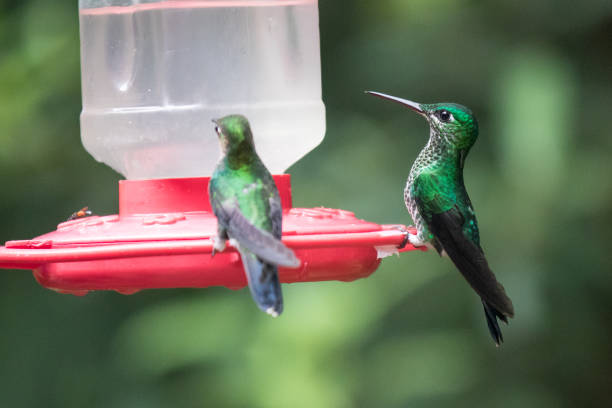
- Red or bright colors: Hummingbirds are sensitive to red and can spot the Hummingbird Feeder more easily.
2. Suggested Placement
When setting up a hummingbird feeder, safety, observation experience, and environmental comfort should be considered:
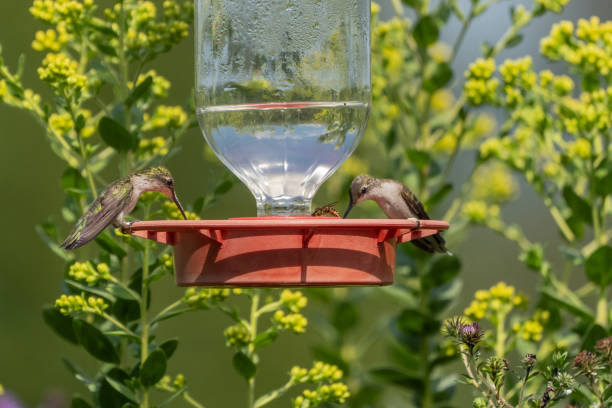
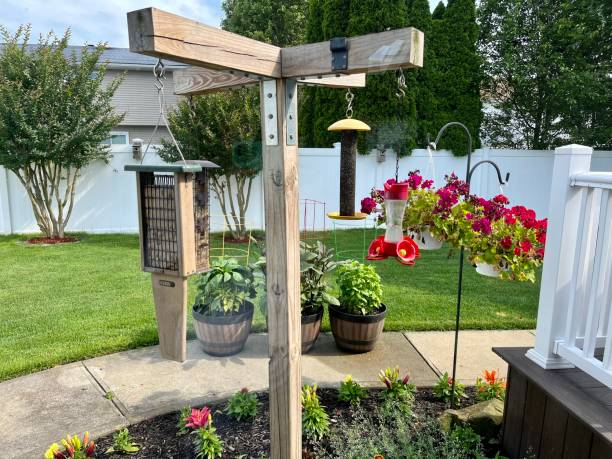
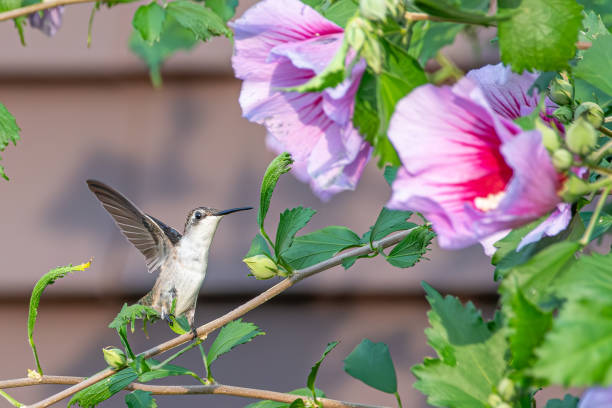
- Approaching flowerbeds: simulating a natural foraging environment
- Avoid strong winds or direct sunlight to prevent the sugar water from spoiling too quickly.
- Moderate height: typically 1–2 meters above the ground, facilitating cleaning and observation.
- Keep quiet: Avoid disturbing the hummingbird’s perch.
III. Preparation and Maintenance of Sugar Water
1. Sugar syrup ratio
The standard sugar syrup ratio is 4:1 water to white sugar, with no added red dye or flavorings to ensure safety and health. Springtime temperatures are moderate, making it easier for the sugar syrup to stay fresh.
2. Regular cleaning
- Clean the feeder thoroughly every 3–4 days.
- Use warm water and a soft brush to avoid residual fermentation or mold.
- Cleaning intervals need to be shortened during high temperatures or rainy seasons.
Proper maintenance not only ensures the health of hummingbirds but also extends the lifespan of the feeder.
IV. The Best Time for Spring Decoration
1. Preparation in advance is more important than the arrival of the hummingbird.
Hummingbirds are sensitive to sugary water sources and environments; if the feeder is placed later than their arrival time, they may miss opportunities for observation and feeding. The best strategy is
- Allow 1-2 weeks for preparation.
- Arrange the feeder in advance and test the sugar water consistency.
- Ensure feeder stability and security
2. Observe migration signals
There are regular patterns in the spring migration of hummingbirds, for example:
- Early spring flowers are beginning to bloom in the area.
- Nighttime temperatures gradually rise
- The number of migratory birds in the sky is increasing.
These signs can help determine whether the Hummingbird Feeder has been placed in a timely manner.
V. Family Observation and Educational Value
1. Scientific observation activities
By setting up a hummingbird feeder, family members can:
- Record the hummingbird’s arrival time and stay duration.
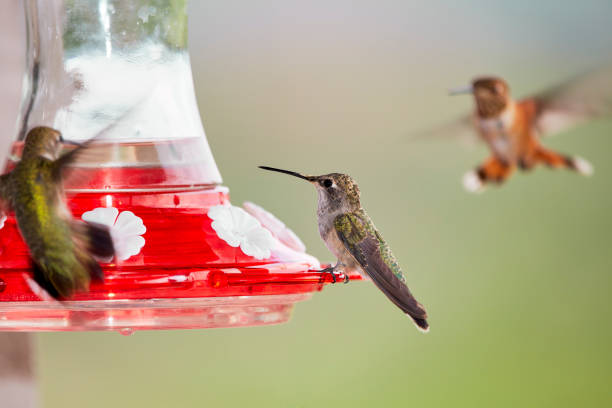
- Observe the behavioral differences among individual hummingbirds
- Create simple migration logs or charts
These activities not only cultivate scientific observation skills but also help children understand the importance of ecology and species conservation.
2. Emotional Education and Parent-Child Interaction
Springtime observation of hummingbirds can also be combined with emotional education:
- The process of waiting for the hummingbird to arrive trains patience.
- Observe hummingbird interactions to learn focus and attentiveness.
- By recording and sharing, we can enhance parent-child interaction and emotional exchange.
Hummingbird Feeder is becoming a new tool for family education and emotional development.
VI. Common Challenges in Spring Decoration
1. Sugar water spoils too quickly.
As temperatures rise in spring, sugar syrup may ferment within 2–3 days. Solution:
- Small-capacity feeder
- Avoid direct sunlight
- Change cleaning regularly
2. Small animal disturbance
Squirrels, ants, or bees may approach the Hummingbird Feeder . Recommendation:
- Use ant-proof rings or squirrel-proof hooks.
- Regularly check the quality of the sugar water
- To avoid attracting other animals with excessive sugar water
3. Climate change affects website traffic
Early spring temperatures fluctuate greatly, and hummingbirds may reduce their visits in the short term. (Suggestion:)
- Arrange feeders in advance
- Be patient
- Record long-term data and observe patterns.
VII. Practical Experience and Skills
the hummingbird feeder 1–2 weeks in advance to ensure there is sugar water available when the hummingbirds arrive.
- Choose multiple locations, near flowerbeds or windows, to enhance the viewing experience.
- Regular cleaning is necessary to prevent bacterial growth.
- Observe and record, and create migration diaries or forms.
- Involve children in family education by letting them participate in decorating, maintaining, and recording.
With these tips, setting up a hummingbird feeder in the spring will be more effective and bring more fun to family members.
8. FAQ: Common Issues in Setting Up a Hummingbird Feeder in Spring
Q1: When will the hummingbird return to my region?
- Southern region: Early March
- Central region: Late March to early April
- Northern region: April–May
Q2: When is the best time to set up the Hummingbird Feeder?
It is recommended to set it up 1–2 weeks before the expected arrival time to ensure that the sugar water and environment are ready.
Q3: How to prepare the sugar syrup?
The standard ratio is 4:1 water to white sugar, without adding red dye or flavoring.
Q4: How often should it be cleaned?
In spring, when the temperature is moderate, it should be cleaned every 3-4 days. In hot or rainy weather, the frequency should be shortened.
Q5: How to prevent squirrels and ants from interfering?
Use ant-proof rings and squirrel-proof hooks, and keep the feeder clean and the sugar water level moderate.
Q6: What should I do if a hummingbird stays for a very short time?
Short stays are normal behavior. You can analyze the pattern by patiently observing and recording data over several days.
Q7: What safety precautions should be taken when setting up the feeder?
Ensure it is securely hung, the sugar water is fresh, and keep it away from areas easily accessible to children to prevent accidents.
Q8: What are the educational benefits of setting up a hummingbird feeder in the spring?
Children can observe nature, record their behavior, cultivate patience and emotional management, and at the same time enhance parent-child interaction.
IX. Conclusion
Spring is a crucial time for hummingbirds to return from their migrations, and it’s also the best time to set up a hummingbird feeder. Preparing, properly setting up, and scientifically maintaining a hummingbird feeder not only ensures the hummingbirds get the necessary energy but also provides families with opportunities for nature observation, scientific education, and emotional development.
By observing hummingbirds, recording their behavior, and sharing experiences, spring is not only a season of ecological recovery but also a wonderful time to combine family life with nature education.