Hummingbird Feeder Nectar Residue Issues: How to Control Usage and Reduce Waste

In actual use, almost all users of Hummingbird Feeder encounter the same problem:
there is always some nectar left over.
It’s not that nobody drinks it.
It’s not that hummingbirds don’t come.
It’s just that—every time the nectar is changed, some of the unused nectar has to be poured away.
—isOver time, this situation will lead to three direct consequences:
wasted materials, increased maintenance frequency, and a lingering question – is the feeder being used incorrectly?
The good news is that this problem can be controlled without complicated procedures.
Table of Contents
Why does nectar always remain in Hummingbird Feeder?
Before we actually discuss solutions, it’s necessary to clarify one fact:
most people overestimate the actual amount of nectar hummingbirds consume.
Hummingbirds eat “frequently,” but not “in large quantities.”
metabolism;Hummingbirds do have a fast metabolism, that’s true.
But with each meal, they absorb a very limited amount of nectar, and the time they spend in it is very short.
If the feeder’s capacity is far greater than the actual needs of the hummingbirds, nectar surplus is almost inevitable.
This is especially evident in the following scenarios:
- ,We’ve just started using the hummingbird feeder , and the number of hummingbirds is not yet stable.
- Hummingbird activity decreases during seasonal transitions.
- The courtyard is surrounded by abundant natural flowers.
unpopular,”Many users mistakenly believe that “honey is unpopular”, but in reality, it’s just that the quantity doesn’t match the demand.
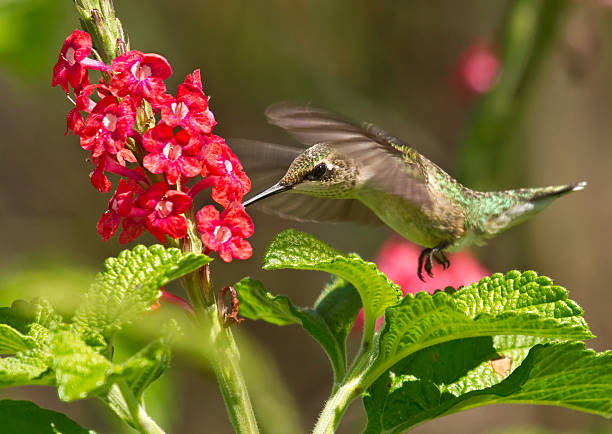
Improper selection of nectar volume is the core reason for nectar waste.
Of all the discussions about nectar waste in hummingbird feeders, the issue of capacity comes up most frequently.
Larger capacity ≠ more convenient
Intuitively, a larger capacity seems more convenient:
add nectar once, and it lasts longer.
However, in actual use, the problem is often exactly the opposite:
- Nectar spoils faster at high temperatures.
- It must be replaced before it’s finished.
- More is wasted during cleaning.
Especially in courtyards with few hummingbirds, a large feeder almost inevitably leads to excess nectar.
A more realistic approach to capacity
Instead of aiming to “add less often,” aim to “use it all up.”
- uncertain.The number of hummingbirds is uncertain → Choose a small-capacity hummingbird feeder
- Increasing the number of hummingbirds → Increases the number of feeders, not their capacity.
This method is very effective in controlling the amount of hummingbird feeder used.
“An imbalance in the frequency of nectar replacement is the main reason for “forced waste”.
Many types of nectar are not “unused,” but rather have reached the end of their lifespan and can no longer be used.
Real-world limitations in high-temperature environments
In summer or in high-temperature, direct sunlight environments:
- Hummingbird feeder nectar usually needs to be changed every 2–3 days.
- In extreme weather, or even shorter
If too much nectar is added at once, the result is often that
it becomes unsuitable for continued use before it is even used up.
A more reasonable operating method
- Prepare nectar based on an expected consumption of 2–3 days.
- First observation of consumption rate
- Second adjustment of the amount added
This “adjust as you use” method is far more economical with honey than filling it all at once.
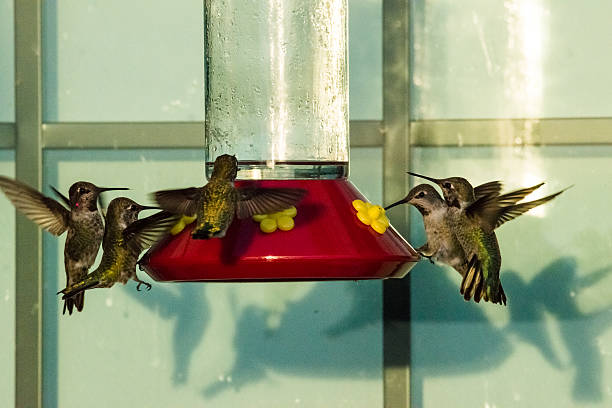
The correct ratio is not enough; controlling the amount of nectar is even more crucial.
Most users are familiar with the standard nectar ratio for Hummingbird Feeder:
1 part white sugar : 4 parts water
volume.”The problem isn’t with the proportions but with the “sense of volume”.
- Common but easily overlooked situations
- Cook too much honey at once
- Reuse of leftover nectar
In order to “avoid waste,” they reluctantly continued to use critical nectar.
These actions may seem economical, but they actually cause more problems, including increased cleaning frequency and increased residue inside the feeder.
More controllable approach
- Prepare only the amount needed at a time.
- Leftover nectar should not be stored for long periods.
- It’s better to take small, frequent doses than to take too much at once.
In the long run, this is actually an effective way to reduce nectar waste from hummingbird feeders.
The placement of the hummingbird feeder will affect the nectar consumption efficiency.
quantity butMany people overlook the fact that
whether or not there is nectar left depends not only on the quantity, but also on whether hummingbirds come.
The direct consequences of an undesirable location
- The probability of a hummingbird finding a feeder decreases.
- Shortened stay
- Nectar consumption has slowed significantly.
Even if the nectar is fresh, it is easy for some to be left over at this point.
Placement suggestions to facilitate consumption
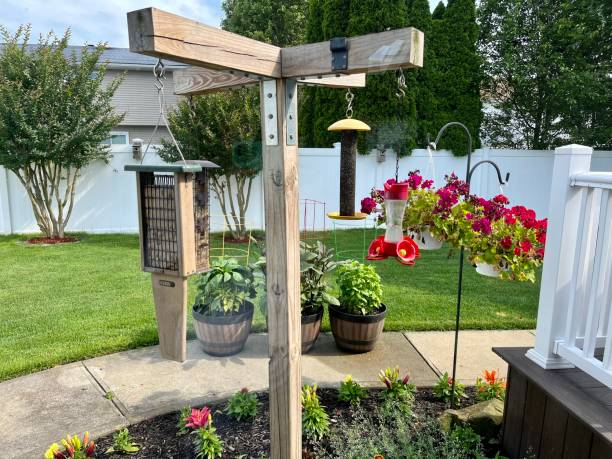
- Near plants or natural flower sources
- Enjoy sunlight in the morning, but avoid direct sunlight in the afternoon.
- Stay away from areas with strong winds
When hummingbird feeders are visited more frequently, nectar is naturally more likely to be used properly.
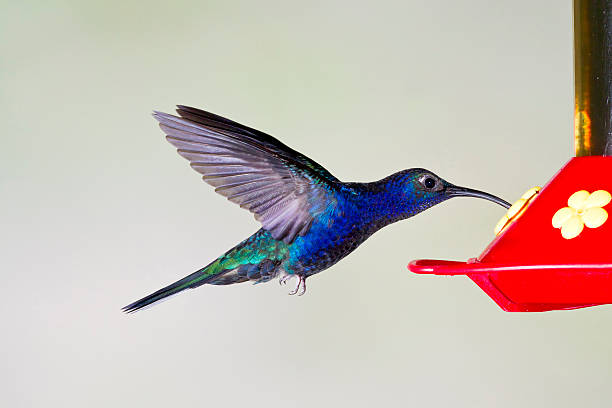
Replace one large feeder with multiple smaller feeders .
Why do multiple small feeders save more honey?
- The nectar updates for each feeder are more flexible.
- For items that consume slowly, add less or pause.
- It’s easier to determine which position is most effective.
This method not only reduces nectar residue but also helps you better understand the behavior of hummingbirds.
In summary, controlling nectar waste is essentially about “refined use.”
The nectar remaining in the hummingbird feeder is not a sign of failure, but rather a signal that
there is room for improvement in the current usage.
Key points to review:
- The capacity selection should match the number of hummingbirds.
- The amount of nectar added should match the frequency of nectar replacement.
- The placement of items directly affects the consumption rate.
- Smaller capacity and more frequent observation often result in lower costs.
When you start using a “management mindset” when using the hummingbird feeder, nectar waste will naturally decrease significantly.
FAQ: Frequently Asked Questions about Leftover Nectar in the Feeder
Q1: Can I still use the hummingbird feeder if there’s only a little nectar left?
If it’s within the safe replacement cycle and there’s no unusual odor, you can continue using it; if it’s past the recommended time, it should be replaced.
Q2: Will smaller quantities be more troublesome?
Actually, quite the opposite. Smaller quantities make it easier to control the amount used and also save more honey.
Q3: Does the presence of leftover nectar mean the hummingbirds don’t like it?
Not necessarily. A more common reason is that the amount or location of the nectar doesn’t match the number of hummingbirds.