Teaching children about nature: A real way to introduce science to children using the hummingbird feeder

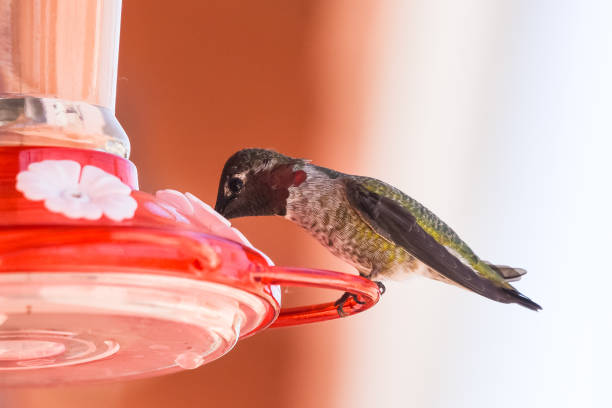
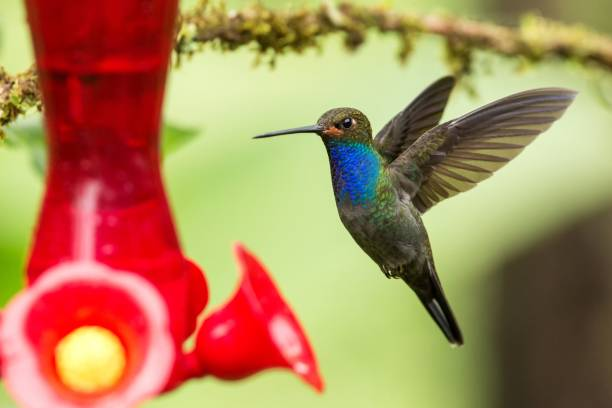
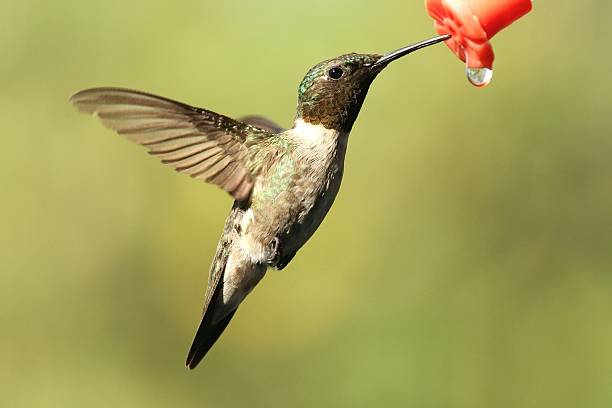
Hummingbird feeders are often used as gardening supplies or simple outdoor decorations. But in many households, their role ultimately goes far beyond simply feeding birds.
Many parents discover this unintentionally.
Perhaps it was just hanging a hummingbird feeder outside the window, with no intention of “teaching anything.” But the child started asking questions—one after another.
From that moment on, the introduction to natural science had quietly begun.
Table of Contents
Why Nature Observation is Better Than “Scientific Explanation”
1. Opportunity Over Explanation
For children, science is not about conclusions but about processes.
Compared to passively listening, children are more easily attracted to the following things:
- Changes I see
- Recurring phenomenon
- Uncertain outcome
Hummingbird feeders have just these features.
It is not a one-off experiment but a real-world scenario that can change every day.
2. Learning Tension in Nature
Hummingbirds don’t appear on a schedule.
Sometimes they arrive very early, and sometimes they’re nowhere to be seen all day.
This unpredictability, on the contrary, stimulates children to think for real, rather than memorize answers.
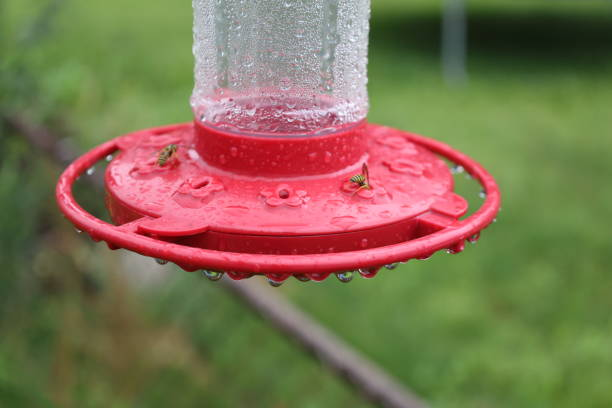
Making the Hummingbird Feeder a Child’s First Science Tool
1. Simplicity as an Advantage
Unlike microscopes and lab kits, the Hummingbird Feeder requires almost no learning curve.
Children can participate directly:
- Observe the installation location
- Observe the changes in the sugar water
- Waiting for the hummingbird to appear
This feeling of “I am involved” is key to scientific enlightenment.
2. Clear Cause, Unfixed Outcome
The child will gradually realize:
- We did something
- But the results may not appear immediately.
This is exactly what the scientific world is like.
Guiding Scientific Questions with the Feeder
1. Resist Giving Immediate Answers
When a child asks:
- Why did two of them come today?
- Why did it fly away just now?
A better approach than to explain immediately is
What do you think? Let’s observe for a few days and see.
This approach to response will shift children from “listening to the answer” to “finding evidence.”
2. Transforming Problems into Observable Hypotheses
For example:
- If the location is changed, will the hummingbird still come?
- Is there a difference between a cloudy day and a sunny day?
Hummingbird Feeder is perfect for this kind of simple comparison.
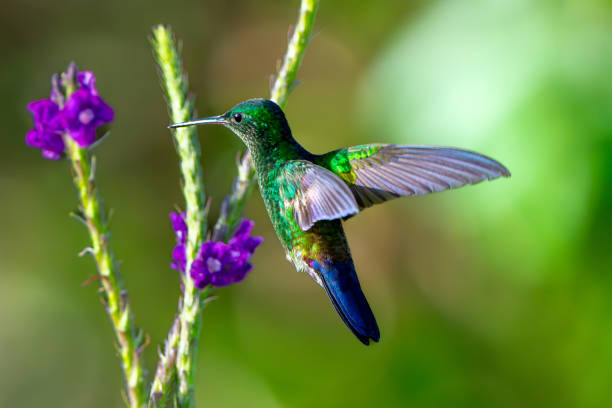
Home-based Science Education: Small Experiments with a Feeder
1. No Professional Recording Tools Needed
A piece of paper and a notebook are enough.
You can keep a record together with your child:
- date
- time
- Did you see a hummingbird?
Even if the record is incomplete, it doesn’t matter.
The key point is not whether it is “right or wrong,” but whether “there has been continuous observation.”
2. Discovering Patterns from Records
A few days later, parents can ask questions gently:
- Is there a day when there are particularly many?
- It seems like they all appear around a certain time?
These questions naturally lead to the scientific concept of “law.”
Understanding Ecology and Responsibility Through the Feeder
1. Nature Requires Maintenance, Not Just Use
The hummingbird feeder needs maintenance, which is very important for children.
- The sugar water needs to be replaced.
- The feeder needs to be cleaned.
- Pay more attention to hygiene when it’s hot.
Children will gradually understand that natural interaction comes with responsibility.
2. Respect for Life: “Not Disturbing”
Hummingbirds are not pets.
Whether they come or not, they each have their own reasons.
This sense of boundaries is difficult to teach in many educational settings.
Science Education for Different Age Groups with the Feeder
3–5 years old: Feelings and Descriptions
This stage does not emphasize specific knowledge points.
- What did you see?
- Speak in your own words
Even something as simple as “flying very fast” demonstrates observational skills.
6–9 years old: Comparing and Recording
You can add simple notes:
- time
- weather
- Frequency of occurrence
Let children gradually realize the significance of “data.”
Ages 10 and up: Ecology and Migration
At this stage, the following can be combined:
- Research
- View map
- Discussion of migration routes
Hummingbird Feeder becomes an entry point into the real world.
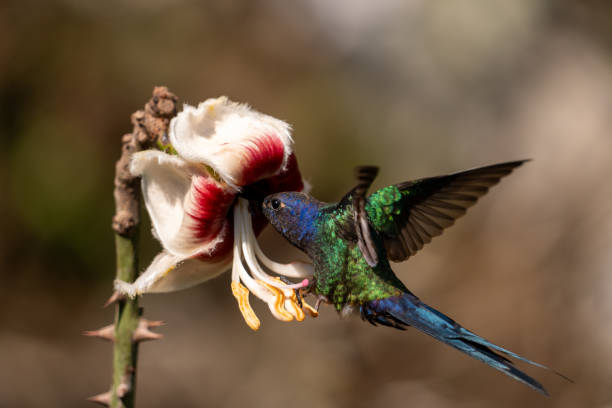
Why the Feeder is Ideal for Family Nature Education
Unlike many tools “designed for education,” Hummingbird Feeder is characterized by
- No deliberate teaching
- Don’t interrupt your life
- Do not create pressure
Children are more likely to develop genuine interest when they are in a relaxed state.
Choosing a Suitable Hummingbird Feeder
When choosing a device, especially for observation of children, it is recommended to pay attention to the following:
- Safe materials: non-toxic, with rounded edges
- Easy-clean design: Convenient for maintenance and reduces bacteria.
- Transparent or translucent structure: facilitates observation
- Stable suspension system: Reduces swaying
These details directly affect a child’s experience and observation.
FAQ: Frequently Asked Questions about feeders and children’s early science education
Q1: Is the feeder really suitable for science education?
Yes. It provides a real, repeatable, but uncertain observational environment, which aligns perfectly with the core logic of scientific enlightenment.
Q2: If a child waits a long time but no hummingbird comes, will they be disappointed?
Short-term disappointment is normal and part of the learning process.
It helps children understand that nature isn’t always there when needed.
Q3: Are city balconies also suitable for use?
Suitable. As long as the location is open and quiet, it is likely to attract hummingbirds.
Q4: Is it safe for children to participate in maintenance?
It is safe to be accompanied by a parent, and it helps to foster a sense of responsibility.
Q5: Will long-term use of a hummingbird feeder affect hummingbirds?
With proper use and regular cleaning, it will not have a negative impact on hummingbirds.
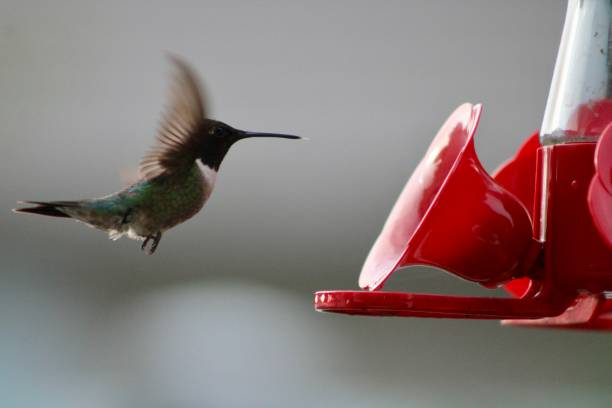
Conclusion: Effective Science Education Doesn’t Always Mean “Teaching”
When looking for scientific early childhood education methods, many parents tend to focus on “what to teach.”
But the hummingbird feeder offers another possibility:
Don’t rush to conclusions or set goals in advance;
let children observe, wait, and think first.
Scientific thinking is gradually formed through these quiet observations.
If you want your child to truly understand nature and life, perhaps a hummingbird feeder is already a great starting point.