Hummingbird Feeder Disassembly and Cleaning Tips: The Correct Way Without Damaging Materials

Imagine a sunny morning; you’re sitting in your garden sipping coffee, a soft buzzing sound filling the air. A brightly colored hummingbird lands in front of your hummingbird feeder, quickly sips its syrup, and then flutters away. Seeing this little sprite fills you with joy, but it also teaches you a valuable lesson—keeping your hummingbird feeder clean is far more important than you might think. A clean feeder not only ensures the hummingbirds eat safely but also helps maintain the ecological balance of your garden.
If you neglect cleaning, the sugar water can easily mold, accumulate bacteria, and even make your hummingbird sick. This article will combine practical experience to guide you through in-depth cleaning techniques for hummingbird feeders without damaging materials. From disassembly, cleaning tools, and operating procedures to sugar water preparation and advanced care, ensure your feeder is clean and safe while extending its lifespan.
Table of Contents
Why must hummingbird feeders be cleaned regularly?
Many people think, “Isn’t sugar water just water with sugar? You can just change it,” but that’s not the case. Sugar water in hummingbird feeders ferments very quickly in warm weather and can spoil within hours. Unwashed feeders can harbor mold and bacteria, posing a significant threat to the health of hummingbirds. Specifically:
- Hummingbirds may refuse to eat or even leave the garden.
- Fermentation of sugar water may lead to mold growth, causing digestive problems in hummingbirds;
- Accumulated mold and sugar stains can corrode the feeder material and shorten its lifespan.
Therefore, a clean hummingbird feeder is not just a tool for feeding birds; it is also a bridge for you to interact with nature.
A short story: Last week, a hummingbird that often visits my house had its sugar water left out for a while, and it circled around a few times before leaving. After cleaning and refilling the sugar water, it happily perched on the hummingbird feeder again. This made me realize that cleanliness really does directly affect a hummingbird’s behavior.
II. Cleaning Frequency: When is the most suitable time?
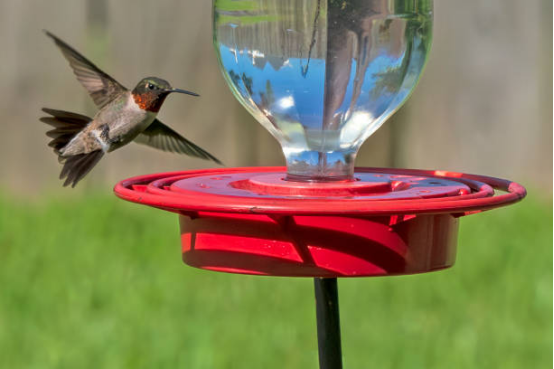
Cleaning frequency depends on ambient temperature, sunlight exposure, and usage frequency. A simple comparison table is shown below:
| Environmental conditions | Cleaning recommendations |
| High temperature (27–32℃) | Every day or every other day |
| normal temperature | Every 3–5 days |
| cool environment | Once a week |
If the hummingbird finishes the sugar water quickly, it’s best to rinse the feeder every time you change the water. This ensures hygiene and reduces sugar residue buildup.
Tip: Hummingbirds have delicate digestive systems, and even a little bit of bacteria and mold can affect them, so don’t skimp on cleaning frequency.
III. Disassembling the Hummingbird Feeder: A Key Step in Cleaning
To thoroughly clean a hummingbird feeder, the first step is disassembly. Simply rinsing the exterior is far from sufficient, as mold and sugar stains can easily hide in crevices, the feeding opening, and the threads. Recommended disassembly order:
- Remove the main body of the feeder;
- Remove the top cap and the bottle body;
- Remove the flower feeding port, base, and threaded ring;
Inspect and remove all accessories such as anti-ant rings and honeycomb grids.
Experience sharing: Once, I didn’t disassemble the feeding port and only used a brush to clean the bottle. As a result, mold remained in the flower’s mouth, and the hummingbirds didn’t come the next day. Since then, I carefully disassemble each small part every time I clean it.
IV. Selection of Cleaning Tools and Materials
To protect hummingbird feeder material while cleaning it thoroughly, the following tools are essential:
- Bottle brush: Used to clean the inside of bottles;
- Fine-hole brush/pipe brush: Cleans feeding holes, small gaps and threads;
- Soft sponge or cloth: Wipe the outer casing.
- Rubber gloves: protect hands;
- Cleaning tub: for soaking disassembled parts.
Note: Avoid using wire brushes or rough brushes, as they can scratch plastic or glass, providing a “hiding place” for mold.
V. Cleaning steps that do not damage materials
1. Initial rinsing
First, rinse off most of the sugar residue with warm water. Warm water helps dissolve the sugar stains, making subsequent scrubbing easier.
2. Selection of Safe Cleaning Agents
Method A: White vinegar + warm water (recommended)
- Ratio: 1 part white vinegar + 4–9 parts warm water;
- Soak for 30 minutes to 2 hours;
- Use a small brush to clean the inside;
- Rinse thoroughly and let dry.
Advantages: Safe and harmless, friendly to plastics and glass, acetic acid can dissolve sugar stains and mild mold.
Tip: Rinse several times to ensure the vinegar smell is completely gone; otherwise, the hummingbird may refuse to eat.
Method B: Dilute the bleach
- Mixing ratio: 1 part bleach + 9 parts warm water;
- Soak for 10–20 minutes;
- Rinse thoroughly.
- Suitable for severe mold infestations, but not recommended for routine cleaning to avoid bleach residue harming hummingbirds.
3. Address small gaps and feeding holes.
Sugar stains and mold are most likely to accumulate in the flower’s feeding openings and threaded crevices. Use a fine-toothed brush, toothpick, or pipe brush to clean them one by one, ensuring every little corner is clean.
Real-world experience: If the flower feeding holes are not cleaned properly, hummingbirds will avoid them, and over time they may even leave the entire garden.
4. Rinse and air dry
- Rinse off all cleaning agent residue;
- Invert to air dry or air dry naturally;
- Make sure it is completely dry before adding sugar water.
Recommendation: When drying, place in a ventilated area and avoid direct sunlight on the plastic to extend its service life.
VI. Preparation and Storage of Sugar Water
- Ratio: White sugar: water = 1:4;
- No honey, red dye, or artificial sweeteners added;
- Stir until the sugar is completely dissolved.
- Unused refrigerated syrup can be stored for a maximum of one week.
Fun fact: If the sugar solution is too concentrated or hasn’t been changed for too long, it can easily cause indigestion in hummingbirds, affecting their activity and health.
VII. Common Cleaning Misconceptions and User Issues
- Cleaning with strong detergent may leave a fragrance residue that hummingbirds won’t eat.
- Simply changing the sugar water without cleaning the hummingbird feeder: a clean exterior does not mean a sterile interior;
- Neglecting to clean the flower feeding openings: these are the easiest places for mold and sugar stains to accumulate.
Experience sharing: Once I was lazy and didn’t clean the feeding port, and the hummingbirds didn’t come back the next day. I still remember this incident vividly.
VIII. Advanced Nursing and Protective Techniques
- Ant prevention: Apply a small amount of petroleum jelly to the hanging rope to prevent ants from climbing onto the feeder.
- Rotate hummingbird feeders: while one is drying, the other continues to be used to ensure the hummingbird is not hungry;
- Choose high-quality materials: glass is scratch-resistant and acid-resistant, plastic is lightweight, and metal is suitable for long-term outdoor use.
- Avoid direct sunlight: ultraviolet rays accelerate the spoilage of sugar water and the aging of plastics.
IX. Hummingbird Behavior and Observation Tips
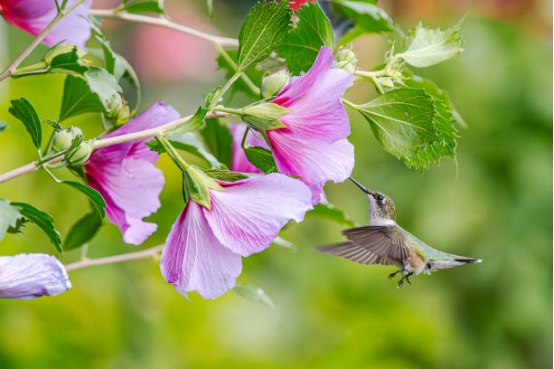
- Hummingbirds are attracted to bright colors, especially red flowers.
- Observe their feeding habits and adjust the position of the feeder accordingly.
- During the high temperatures of summer, the sugar water ferments quickly, requiring frequent checks and replacements.
10. FAQ: Common Hummingbird Feeder Cleaning Issues
Q1: Do I need to wash the hummingbird feeder every time I change the sugar water?
A: It is recommended to wash it every time you change the water, especially in hot weather when the sugar water is prone to mold.
Q2: Can I use bleach?
A: It can be used for severe mold cases, but it must be rinsed thoroughly. For everyday use, white vinegar is recommended, as it’s safer.
Q3: What should I do if plastic feeders are easily scratched?
A: Use a soft brush and sponge, avoid using a wire brush, and replace parts regularly.
Q4: How often should the sugar water be changed?
A: Daily in hot weather, every 3-5 days at room temperature, and once a week in cold weather.
Q5: Can I add honey or red dye?
A: It is not recommended. Honey may contain mold, and artificial coloring may affect your health.
XI. Conclusion: Becoming a Guardian of Hummingbirds
Cleaning a hummingbird feeder isn’t tedious; rather, it’s a way to enjoy nature. Through proper disassembly, scientific cleaning, and meticulous care, you can not only extend the feeder’s lifespan but also ensure your hummingbirds are healthy and active, allowing you to witness the beautiful scene of them flitting about in your garden. Spend a few minutes each day maintaining it with care, and your little hummingbird feeder world will be full of life and joy.