Glass vs. Plastic Hummingbird Feeder: Which material is more durable?

Choosing the right hummingbird feeder is crucial for attracting hummingbirds. Many bird owners often hesitate between glass and plastic: which material is more durable and safer? Making the right choice ensures a long feeder lifespan, clean sugar water, and hummingbird safety, while reducing daily maintenance. This article will provide a detailed comparison of glass and plastic hummingbird feeders in terms of durability, ease of cleaning, safety, price, and environmental adaptability, offering you guidance for purchasing and use.
an informedWithin the first 200 words, we’ve clearly stated the core value: choosing the right material for your hummingbird feeder is not only about durability but also about your hummingbird’s health and feeding experience. Whether you’re a beginner or an experienced bird enthusiast, this article will help you make a informed decision.
Table of Contents
Advantages and disadvantages of glass Hummingbird Feeder
Advantages of glass feeders
- Easy to clean: The smooth glass surface does not easily trap sugar stains and mold. It can be washed with hot water or in a dishwasher.
- Chemical safety: The glass does not contain chemical additives such as BPA and will not leach harmful substances.
- differences,High durability: High-quality glass is not easily corroded by sunlight, temperature differences or sugar water.
- water whileAesthetically pleasing and intuitive: The transparent glass allows for a clear view of the remaining amount of sugar water, while also enhancing the aesthetics of the courtyard.
- Environmentally friendly and recyclable: Glass material is easy to recycle and reuse.
Disadvantages of glass feeders
- Fragile: May break upon impact or in strong winds; handle with care.
- Heavy: It is heavy when fully loaded with sugar water and requires sturdy hooks or supports.
- Price is relatively high: Glass products are more expensive than plastic feeders.
- Design limitations: The choice of shape and number of holes may not be as flexible as with plastic.
Overall, the glass hummingbird feeder is more suitable for users who prioritize long-term durability, cleanliness, and environmental friendliness.
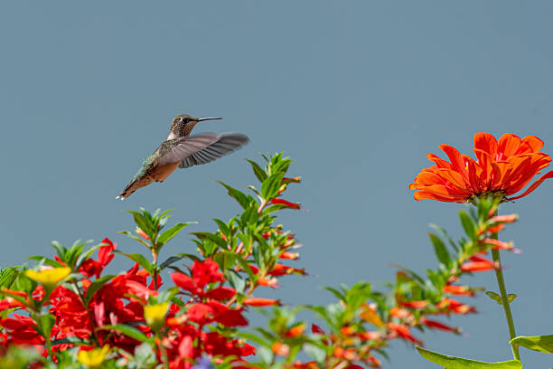
Advantages and disadvantages of plastic Hummingbird Feeder
Advantages of plastic feeders
- Lightweight and easy to hang: suitable for environments with thin branches or weak supports.
- Drop-resistant and safe: It is not easily broken by drops or impacts, making it suitable for yards with children or pets.
- Affordable price: Low purchase cost, suitable for multiple locations or beginners to try.
- Flexible installation: It can be moved to different locations at will, and the height can be easily adjusted.
Disadvantages of plastic feeders
- Difficult to clean: The surface is easily scratched, and scratches can trap dirt and grime.
- deformation,Prone to aging: Sunlight, ultraviolet rays, and temperature differences may cause fading, deformation or cracking.
- There may be chemical risks: low-quality plastics may contain harmful substances such as BPA.
- Visually moreVisually imperfect than glass: poor transparency makes it difficult to observe the remaining amount of sugar water.
- Long-term costs may increase: plastic is easily damaged and needs to be replaced more frequently.
Therefore, plastic hummingbird feeders are more suitable for users with limited budgets, complex environments, or those who need lightweight portability, but their long-term durability is not as good as glass.
Durability Comparison: Glass vs. Plastic
Durability is an important criterion for choosing a hummingbird feeder and can be compared from the following aspects:
- Physical strength: Plastic is drop-resistant, while glass is fragile.
- Lifespan: High-quality glass has a longer lifespan, while plastic ages more easily.
- Chemical stability: Glass is inert and exhibits no chemical leaching; plastics may contain additives.
- Ease of maintenance: Glass is easy to clean, while plastic requires frequent inspection and scrubbing.
- Environmental adaptability: Plastics are more stable in windy or complex outdoor environments, while glass is more durable in controlled environments.
Overall, glass is superior in terms of long-term durability and safety, while plastic is superior in terms of flexibility and impact resistance.
How to choose the most suitable Hummingbird Feeder
Choosing a hummingbird feeder involves not only considering the material but also the actual environment and usage requirements:
- Prefer glass: If you prioritize long-term use, hygiene, environmental friendliness, and a safe hanging environment.
- Choose food-grade plastics: If using plastics, ensure they are BPA-free to avoid risks to the hummingbird’s health.
- The material should be chosen based on the environment: plastic is recommended for windy, high-altitude, or easily impacted environments, while glass is a better choice for stable environments.
- Regular maintenance: Clean thoroughly once a week to keep the syrup fresh.
- Observe the sugar water level: Glass is easy to observe visually, while plastic requires attention to issues such as fading or cloudiness.
Additional suggestions and precautions
- Do not add dye to the sugar water; use only water and white sugar, regardless of the ingredients.
- Choosing a feeder that is red or has red parts will make it easier to attract hummingbirds.
- The hanging location should be sheltered from wind and direct sunlight to facilitate safe feeding for hummingbirds.
- Observe the habits of hummingbirds and adjust the height and position of the hummingbird feeder to improve its efficiency.
- Multiple locations can increase attractiveness, but cost and maintenance frequency need to be considered.
By arranging the space scientifically and choosing appropriate materials, hummingbirds are more likely to visit, making your yard more eco-friendly.
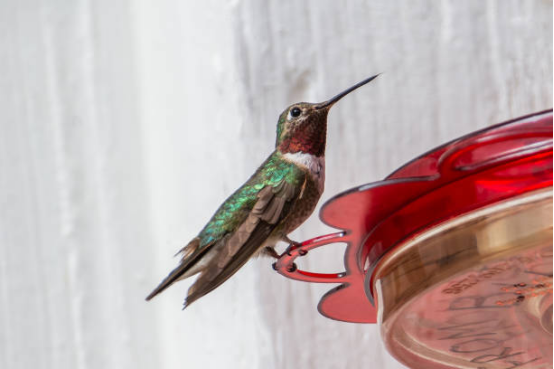
Summarize
- Glass vs. plastic hummingbird feeders: there is no absolute “most durable,” only the “most suitable.”
- Glass feeders: easy to clean, chemically safe, durable, and aesthetically pleasing, but fragile, heavy, and expensive.
- Plastic feeders: lightweight, drop-resistant, inexpensive, and flexible to install, but they are prone to aging, difficult to clean, and may contain chemicals.
Taking into account durability, safety, and environmental adaptability:
- For long-term use and prioritizing hygiene and environmental protection, choose glass.
- For lightweight, drop-resistant, and economical options, choose plastic.
Regardless of the material chosen, ensuring cleanliness, safety, and proper placement are key to attracting hummingbirds and extending the feeder’s lifespan. Scientific material selection and reasonable arrangement will maximize the value of your hummingbird feeder and attract more hummingbirds.