Hummingbird Feeder: How to choose the right materials to attract more hummingbirds?

As the call for sustainable development grows louder and environmental awareness deepens, placing a hummingbird feeder in the backyard is no longer just about attracting these adorable little birds; it has become part of an environmental movement. We need to consider not only the design and functionality of the feeder but also the materials used. Should we choose biodegradable plastic or recycled plastic? What is the actual impact on hummingbirds and the environment?
If you’re struggling to choose the right eco-friendly materials for your hummingbird feeder, this article will help you clarify your thoughts. We’ll explore the use of biodegradable and recycled plastics in hummingbird feeders and analyze their advantages and disadvantages in detail.
Table of Contents
Why choose the eco-friendly Hummingbird Feeder?
Most homes have one or two hummingbirds in their backyard, especially during the spring and summer. To attract these birds, many people set up hummingbird feeders in their yards. However, with the increasing global problem of plastic pollution, more and more consumers are realizing how important it is to choose feeders made of environmentally friendly materials. Feeders made of environmentally friendly materials not only reduce plastic waste but also help protect the ecosystems we cherish.
Choosing an eco-friendly hummingbird feeder is undoubtedly a responsible choice, but different feeder materials have their own advantages and disadvantages in terms of user experience, durability, and environmental friendliness. Biodegradable plastic and recycled plastic are two main eco-friendly materials; how do we choose? Let’s explore this in depth.
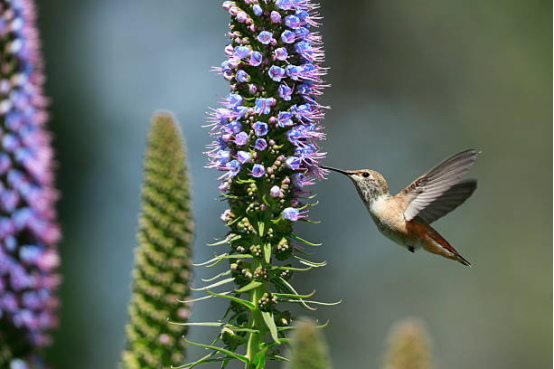
Biodegradable plastics: an environmentally friendly option for the future
Biodegradable plastics, as the name suggests, refer to plastics that can decompose rapidly in the natural environment. They are typically made from plant-based materials (such as cornstarch or tapioca starch), unlike traditional petroleum-based plastics. For hummingbird feeders, choosing biodegradable plastics offers significant environmental advantages.
- Reduce long-term pollution: Biodegradable plastics decompose within months or years under suitable environmental conditions. In contrast, traditional plastics may take hundreds of years to completely decompose in the natural environment.
- Reduced resource consumption: Many biodegradable plastics are produced from renewable resources such as plant starch, which reduces reliance on fossil resources.
- Safety: Unlike traditional plastics, plant-based materials are less likely to release toxic substances and are generally safer for wildlife and the environment.
However, biodegradable plastics are not without their drawbacks. Although they can decompose under natural conditions, the speed and efficiency of the decomposition process are often affected by environmental factors such as temperature and humidity. This means that hummingbird feeders in some areas may not decompose as quickly as expected.
The challenges of biodegradable plastics:
- Decomposition conditions are limited: it can only degrade efficiently under specific environmental conditions, such as in a composting site with high temperature and humidity.
- Durability issues: Under prolonged exposure to outdoor environments, some biodegradable plastics may be less durable than traditional plastics and are more prone to breakage, especially in strong winds or extreme weather conditions.
Recycling Plastics: Another Environmentally Friendly Option
Compared to biodegradable plastics, recycled plastics are another environmentally friendly material for resource reuse. By extracting and reprocessing discarded plastic products, recycled plastics transform former waste into new products. For hummingbird feeders, using recycled plastics offers many potential advantages.
- Reducing plastic waste: Recycling plastics helps reduce the demand for new plastics and effectively reduces the accumulation of plastic waste.
- High strength and durability: Recycled plastics are generally highly durable, able to withstand extreme weather conditions, and suitable for long-term use.
- Cost-effectiveness: Compared to virgin plastics, recycled plastics have lower production costs and can often provide consumers with more cost-effective products.
The advantage of recycling plastics is that it effectively utilizes waste, thereby reducing the need for raw materials. However, it is not without its flaws.
The challenges of recycling plastics:
- Inconsistent quality: The quality of recycled plastics can vary depending on the processing and screening involved in the recycling process. This can result in some recycled plastic products being of poor quality, affecting the lifespan of the hummingbird feeder.
- Limited recycling rate: Not all plastics can be effectively recycled, which makes the sources and supply chains for recycled plastics potentially unstable.
Biodegradable plastics vs. recycled plastics: Which is more environmentally friendly?
So, when choosing an eco-friendly hummingbird feeder, should you opt for biodegradable plastic or recycled plastic? Both have their advantages and challenges. The key factors in your choice depend primarily on your specific needs regarding environmental friendliness, durability, and cost.
- If you prioritize decomposition speed and ecological impact, biodegradable plastics are undoubtedly a good choice. However, it’s important to note that they only degrade efficiently under specific conditions and may not be as durable as recycled plastics in the long run.
- If you prioritize long-term use and cost-effectiveness, recycled plastic is an ideal option, as it minimizes reliance on new resources while ensuring the hummingbird feeder remains durable in a variety of environments.
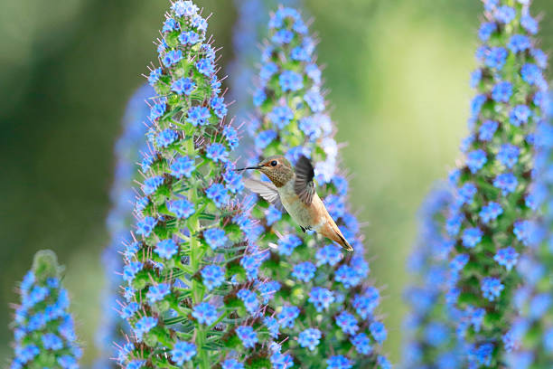
Conclusion: The future environmentally friendly Hummingbird Feeder
With technological advancements, we believe future hummingbird feeders will become increasingly environmentally friendly, whether through biodegradable materials or recycled plastics. Consumers can choose the right product based on their needs and contribute to environmental protection.
Regardless of the material you choose, selecting an eco-friendly hummingbird feeder is a way of cherishing and protecting nature. While enjoying the sight of hummingbirds fluttering in your beautiful backyard, don’t forget that their habitat also needs our collective care. Choose environmentally friendly materials to give these lovely birds a better home!