Breeze and altitude: The impact of hummingbird feeder placement on hummingbird behavior

Hummingbirds are fascinating creatures; their speed of flight, colorful plumage, and tireless wings often compel people to stop and watch. If you want to attract more hummingbirds to your garden, choosing a suitable hummingbird feeder and placing it in the right location is crucial. Different placement locations and heights not only affect whether hummingbirds will visit but also directly influence their flight behavior and feeding frequency.
We all know that hummingbirds are very sensitive to their environment, and their behavior changes with the breeze and altitude.
Table of Contents
1. Basic characteristics of hummingbird behavior
Hummingbirds are very small but extremely active birds. To maintain high-speed flight, they require a large amount of energy, and sugar water is an ideal energy source for them. Hummingbirds have a very high metabolic rate; they consume calories very quickly during flight, requiring them to frequently stop to eat and replenish the energy they have lost. Due to their rapid flight speed and ability to fly backwards, hummingbirds can find food sources in a very short time.
Therefore, if you want hummingbirds to stay in your garden regularly, the placement of the hummingbird feeder is crucial. It not only affects the hummingbirds’ feeding efficiency but also determines whether they are willing to stay for an extended period.
2. The Influence of Breeze: Wind Force and the Stability of Hummingbird Feeders
2.1 Breeze and Hummingbird Flight Behavior
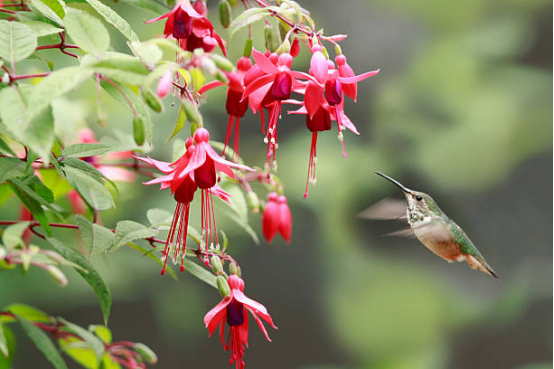
Although hummingbirds can cope with a certain amount of wind, excessively strong winds can still affect their flight stability, especially light breezes which have a more subtle impact on their feeding behavior. When the wind is too strong, hummingbirds may deviate from their flight path when heading towards the hummingbird feeder, thus affecting their feeding experience. Particularly in open areas, changing wind conditions can make it difficult for them to land accurately on the feeder .
2.2 The effect of a light breeze on a hummingbird feeder
If a hummingbirda hummingbird feeder is exposed to strong winds, the syrup may spill, or the feeder may become unstable, making it difficult for the hummingbird to stop and eat. To avoid this, the feeder should not be placed in a windy location.
2.3 How to avoid wind interference?
To minimize wind disturbance to hummingbirds while they feed, consider placing the feeder in a sheltered location, such as under a tree or near a garden fence. These locations not only effectively reduce wind force but also provide a quieter and more comfortable feeding environment for the hummingbirds.
In addition, some hummingbird feeders are designed with windbreaks to help reduce the impact of wind, ensure a stable supply of syrup, and thus attract more hummingbirds.
3. The Influence of Height: Optimal Hanging Height and Hummingbird Behavior
3.1 The flight altitude of hummingbirds
Hummingbirds typically fly at low altitudes and prefer to forage near the ground or vegetation. When they find a food source, they quickly fly over and perch there, and the hanging height of the hummingbird feeder is an important factor affecting whether they can successfully perch.
3.2 Ideal Hummingbird Feeder Height
The optimal height for hummingbirds to feed is typically between 4 and 6 feet (approximately 1.2 to 1.8 meters). This height allows hummingbirds to fly around naturally without needing to adjust their posture excessively, while also making them easy for people to observe. Hanging them too high may make it inconvenient for hummingbirds to perch, while placing them too low may restrict their freedom of flight.
3.3 How to adjust the height?
After observing the hummingbird’s behavior, you can adjust the height of the feeder as needed . If the hummingbird doesn’t stay long or has short feeding times, try lowering the feeder slightly to increase their comfort in accessing the food.
4. Other influencing factors: light, disturbances and environment
Besides breezes and altitude, hummingbird behavior is also influenced by other factors, such as light and environmental disturbances.
4.1 Light
Hummingbirds prefer warm, sunny places. Adequate lighting not only warms the food and increases their appetite but also makes it easier for them to spot hummingbird feeders . Natural sunlight attracts hummingbirds, especially in the early morning or late afternoon when the warm, gentle sunlight is perfect for their active foraging.
4.2 Reduce interference
Hummingbirds are extremely sensitive to environmental disturbances. If there is too much noise or human activity around a hummingbird feeder , they may avoid it. To attract hummingbirds, you need to choose an area away from frequent human activity and keep the environment quiet.
4.3 Environmental Greening
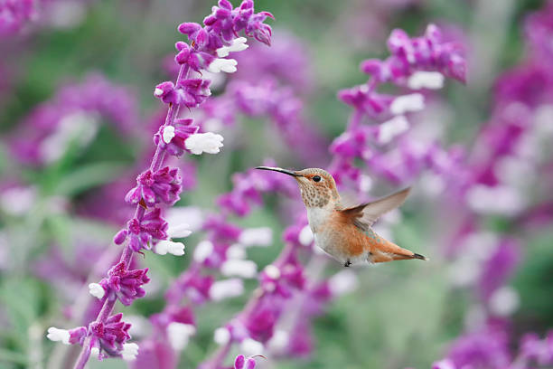
Hummingbirds are dispersers of flowers, so they prefer to forage in areas with abundant blooms. You can place the feeder near flowering plants to increase the chances of hummingbirds visiting. A diverse range of plants not only provides hummingbirds with a rich food source but also enhances their interest in the hummingbird feeder.
5. Conclusion: The Influence of Breeze and Altitude on Hummingbird Behavior
Hummingbird behavior is influenced by a variety of factors, with breezes and altitude being two crucial ones. By choosing the right location for your hummingbird feeder, you can not only provide a stable food source but also improve the hummingbirds’ feeding experience, encouraging them to stay in your garden longer.
In addition to these technical suggestions, remember to maintain diversity in your garden environment and create a quiet, comfortable, and vibrant space that will attract more hummingbirds and add more enjoyment to your birdwatching experience.