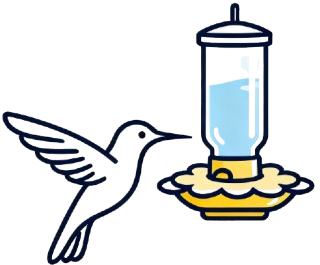

Have you ever longed for a quiet corner in your busy life where you can relax, observe nature, and let your mind slowly calm down? With the Hummingbird Feeder, you can transform your balcony, yard, or even backyard into a vibrant, healing space. Watching hummingbirds gracefully flutter their wings, pecking at nectar, and flowers swaying gently in the breeze—these small details can bring unexpected comfort to your soul.
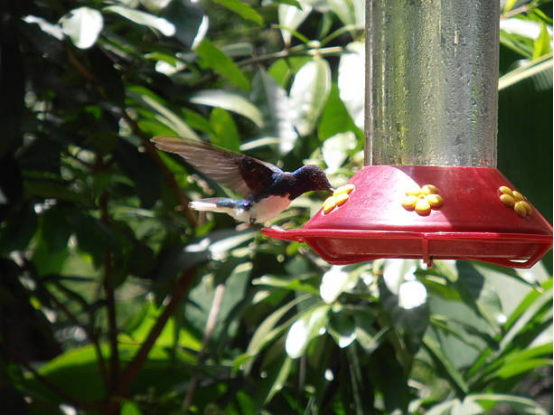
Hummingbirds are small in size but incredibly energetic. The buzzing of their wings and their graceful hovering movements every time they approach the feeder are like a brief and gentle natural performance. Even beginners trying a hummingbird feeder for the first time can easily get started and experience this small but genuine form of natural healing.
Table of Contents
Why Hummingbird Feeder is the soul of healing corners
Connect with nature and relieve stress
Modern life moves at a fast pace, and we often don’t have time to stop and observe the nature around us. The hummingbird feeder becomes a miniature natural stage: hummingbirds flit back and forth, sipping nectar, sunlight filters through the leaves, and a gentle breeze sways the branches—scenes that can unconsciously calm the mind.
The tiny hummingbird has a magical power to slow down your heartbeat—which is why more and more people are choosing to use feeders to create healing corners.
Participate in the ecosystem and gain a sense of accomplishment
Hummingbirds not only feed on nectar but also prey on small insects, helping to maintain the ecological balance of the garden. Seeing them active in the environment you’ve created, you realize you’re participating in the natural cycle, and this sense of participation itself has a therapeutic effect.
Controllable and continuous natural experience
Compared to relying on seasonal flowering, the hummingbird feeder provides a more stable natural window. As long as you change the water and clean the feeder regularly, you can continuously observe the hummingbirds, unaffected by weather or season.
How to plan your healing corner
Choose an ideal location
- Partial shade and partial sun: Avoid direct sunlight and ensure good ventilation to prevent the honey water from spoiling.
- Place near plants: Hummingbirds love flowering plants, so plant some brightly colored flowers nearby to enhance the natural feel.
- For easy observation: Hang it in an area where you frequently go, but not too close to avoid disturbing the birds.
Environmental decoration tips
- A variety of plants can be combined: tubular flowers and brightly colored flowers (red, orange, and pink) can effectively attract hummingbirds.
- Provide a resting place: Place branches or small poles so that hummingbirds have a place to rest after they have finished eating nectar.
- Avoid chemicals: Use natural fertilizers and farming methods to ensure a safe garden and protect the health of hummingbirds.
Tip: A well-designed environment not only attracts hummingbirds but also allows you to relax more while observing them.
Honey Water and Hummingbird Feeder User Guide
Honey-water ratio
- Ratio: 4 parts water to 1 part white sugar (closest to natural nectar)
- Preparation method: Heat water to dissolve sugar, cool and pour into feeder
- Note: Do not use honey, red dye, or artificial sweeteners to avoid harming the hummingbird.
Reminder: Honey water is prone to spoilage in the high temperatures of summer, so it is recommended to change it every 2-3 days; in winter, check it at least once a week.
Hummingbird feeder selection and cleaning
- Choose a simple, easy-to-clean feeder to avoid the growth of bacteria from residues.
- Preparing multiple hummingbird feeders and hanging them separately can reduce competition among hummingbirds and maintain the continuous vitality of the space.
- Cleaning method: Rinse thoroughly with warm water and a small amount of vinegar.
Personal Experience: The Great Comfort Brought by a Little Hummingbird
A few weeks ago, I hung a hummingbird feeder on my balcony and planted some of my favorite flowers next to it—lavender, purple wildflowers, and spider plants. For the first few days, only a few small birds occasionally “flew over to take a look,” and I even worried whether it would really attract hummingbirds.
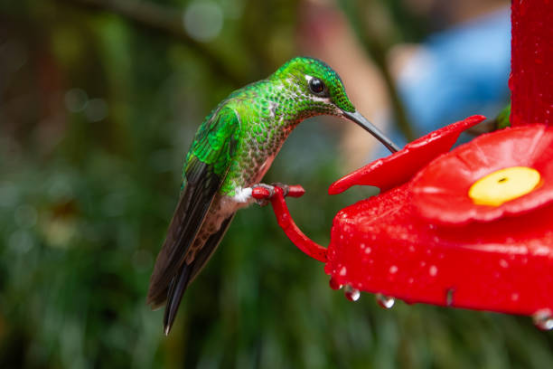
About a week after adjusting the position and height, a little hummingbird quietly landed at the feeding trough. It gently flapped its wings and stretched its beak to peck at the nectar, its movements so fast that I could barely breathe. At that moment, I suddenly felt my heart slow down—all the restlessness and stress were gently taken away by this tiny life.
Later, I began to record the time and frequency of the hummingbirds’ visits and even the weather. Each observation was a small but real act of healing.
Upgrade your healing corner
- Comfortable seating: Place a small stool or folding chair so you can sit quietly and observe for a long time.
- Soft lighting: Hang solar-powered string lights or warm-colored lights in the evening to enhance the ambiance.
- Nature Notebook: Record hummingbird visits, weather, and moods to make observations more interesting.
- Garden design: Select native flowering plants to prolong the flowering period, increase hummingbird food sources, and enhance visual appeal.
Summary: Hummingbird Feeder creates a healing corner
Using a hummingbird feeder isn’t just about attracting birds; it’s also about creating a natural, therapeutic space for yourself. This corner allows you to:
- Slow down your breathing, observe life, and reconnect with nature.
- Relieve stress and improve mood
- Feel the warmth of ecology and life
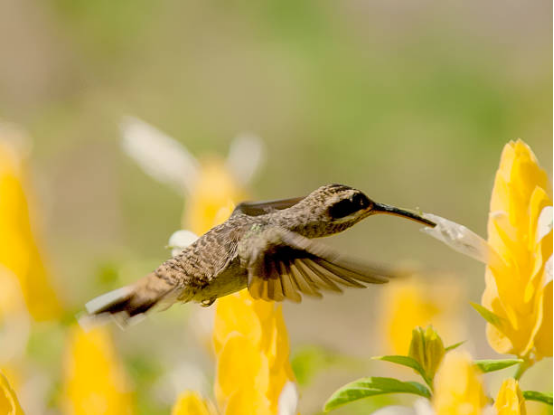
With just a hummingbird feeder, honey water, and a little arrangement, you can make hummingbirds your natural therapeutic companions. A few minutes of observation each day, watching them flutter gracefully, will bring a sudden sense of peace and warmth to your life.
Why not start today and let Hummingbird create a personalized healing corner for you?