Hummingbirds and Garden Aesthetics: Hummingbird Feeders Can Also Be Decorative Art

If you’ve ever quietly observed those graceful little creatures in your yard, you’ll know that hummingbirds bring more than just color and liveliness; they are the little sprites of the yard. In modern yard design, the hummingbird feeder not only provides food for hummingbirds but has also quietly become an important element of aesthetic decoration. Today, let’s talk about how to perfectly integrate hummingbirds with yard aesthetics, making your outdoor space both vibrant and artistic.
Table of Contents
Hummingbird: The most charming little visitor in the courtyard
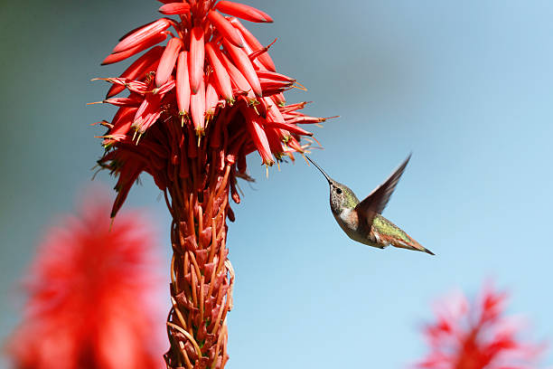
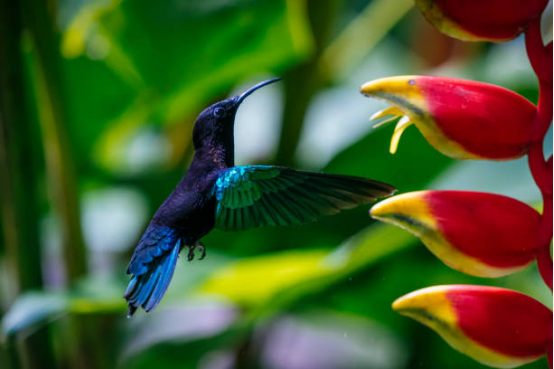
Hummingbirds are small in size, but their wings beat at an astonishing speed, allowing them to hover in the air like tiny, suspended works of art. They are particularly sensitive to red flowers and vibrant colors, which is one of the reasons why bright colors are commonly used in hummingbird feeder designs.
With a hummingbird feeder, hummingbirds will visit your yard more frequently. This not only makes your garden more lively but also provides you with an opportunity to interact with nature—you can see hummingbirds flitting about in the morning and brush past them again in the evening. Some even call the hummingbird feeder a “flying decoration” because it is both functional and aesthetically pleasing.
Hummingbird Feeder: From Functional Tool to Art Deco
Traditionally, hummingbird feeders were simply used to provide nectar for birds. However, a growing number of designers and gardening enthusiasts are now realizing that it can be an integral part of garden aesthetics.
Color and visual focus
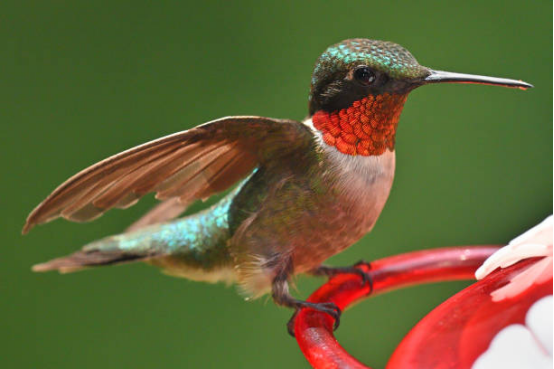
Hummingbirds are easily attracted to bright colors, especially red. Therefore, many hummingbird feeder designs incorporate bright blocks of color. This not only attracts the birds but also makes the feeder a visual highlight of the yard. Imagine a splash of red feeder gleaming amidst green flowers—the visual impact is unmatched by any ordinary flowerpot.
The artistic sense of the design
Modern hummingbird feeders are meticulously crafted in terms of materials and design. Glass, metal, and handcrafted ceramics are all cleverly utilized. Some designs resemble floating, colorful flower balls that shimmer in the sunlight; others are made of vintage wrought iron, exuding a classic charm, like miniature sculptures. Through these creative designs, the feeder becomes not just a tool but also a part of garden art.
Integration with the courtyard environment
Unlike isolated decorative items, the hummingbird feeder can be cleverly integrated into the garden environment. You can hang it under a flower stand, beside vines, or among the shadows of trees, making each visit feel like a delightful surprise from nature.
How to integrate a hummingbird feeder into the aesthetics of a garden
To make a feeder more than just a “functional object,” try the following methods:
1. Matches the style of the courtyard
- Modern minimalist style: Choose glass or frosted materials with clean lines.
- Country style: Handmade ceramic or wrought iron pieces with natural textures.
- Japanese or minimalist style: simple lines and understated colors.
Choosing the right style is like choosing the right decoration; it makes the whole courtyard more stylish.
2. Colors echo the plants.
Pair red or brightly colored feeders with flowers, such as red dwarf flowers or purple lavender. This will attract hummingbirds, create visual rhythm, and add more depth to your garden.
3. Height and Viewpoint Design
The location of the feeder is equally important. Hanging it high allows hummingbirds to fly at eye level for close observation; hanging it low near walkways or seats allows visitors to encounter hummingbirds while strolling, increasing the sense of interaction.
4. Engage with other courtyard decorations
You can pair feeders with garden lights, wind chimes, sculptures, etc. For example, a feeder with glossy glass details can echo the surrounding lights, and when the soft lights are turned on in the evening, the hummingbirds flying around become a dynamic scene.
5. Balancing functionality and maintenance
Even the most beautiful feeders need regular cleaning and nectar replenishment to ensure the birds’ health and maintain their visual appeal. It’s recommended to choose easily detachable designs, such as wide openings or removable bases, for convenient cleaning.
DIY your hummingbird feeder
If you enjoy DIY projects, why not make your own feeder? It’s unique and fun!
- Vintage glass bottle: painted bottle body, red flower-shaped spout.
- Wooden base: Combined with the plant stand, it looks more natural.
- Lighting combination: When the lights are turned on at dusk, hummingbirds fly around, creating a light and shadow installation.
DIY not only makes your yard unique but also increases parent-child interaction and creative fun.
Hummingbird Feeder’s Patio Experience
With a hummingbird feeder, your yard is no longer a static space but a vibrant, interactive scene. In the morning sunlight, hummingbirds dance among the feeders; in the evening breeze, wind chimes tinkle, and your yard becomes a flowing painting. The feeder becomes a little magic in your yard life, making every outdoor experience full of surprises.
FAQ: Hummingbird Feeder User Guide
Q1: How often should the feeder be cleaned?
A1: It is recommended to clean it every 3-5 days, especially during hot seasons, to prevent nectar fermentation or bacterial growth.
Q2: What garden plants are suitable for pairing with a feeder?
A2: Red or brightly colored flowers are most attractive to hummingbirds, such as red dwarf flowers, impatiens, and amaryllis. Pairing them with green vegetation creates a more layered look.
Q3: How high should the feeder be hung?
A3: Generally, eye level or slightly higher than the sitting position is best, which makes it easy to observe the hummingbird and also makes the hummingbird feel safe.
Q4: How to prevent other birds from stealing food?
A4: Choose feeders with small holes, or set up a special hummingbird entrance to prevent larger birds from occupying it.
Q5: Can the feeder be used year-round?
A5: It depends on the local climate. Hummingbird numbers decrease during the cold winter months, so it can be used primarily during the spring and summer seasons.
Summarize
The feeder has transcended its function as a mere tool, becoming an important part of garden aesthetics. Through color coordination, design, integration with the environment, and routine maintenance, you can create a garden space that is both practical and beautiful.
A small hummingbird feeder brings life, art, and a warm living experience to your yard. Each visit by a hummingbird is like a mini art exhibition, a gift from nature, filling your yard with surprise and vitality.