Create a hummingbird paradise on your balcony: A guide for urban birdwatchers.

Have you ever imagined welcoming hummingbirds to your balcony every day, even if you live in a city apartment? The answer is yes. With the right hummingbird feeder, proper placement techniques, and environmental styling, your small balcony can become a hummingbird paradise.
This guide will show you why urban balconies can attract hummingbirds, how to choose the right hummingbird feeder, practical placement tips, and daily maintenance points, making your balcony an ideal corner for frequent hummingbird visits.
Table of Contents
Why can urban balconies attract hummingbirds?
Many people believe that hummingbirds only appear in large gardens or natural environments. However, urban balconies can be just as attractive.
Hummingbirds primarily rely on visual recognition, and they are particularly drawn to bright red or warm colors. A well-designed balcony, with its relatively safe and undisturbed environment, can actually be more appealing to them.
- Open view: The balcony is generally unobstructed, and hummingbirds can clearly see the source of the sugar water.
- Easy to control: The balcony makes it easy to clean, manage the hummingbird feeder, and monitor bird activity.
- Sense of security: Hummingbirds are more willing to stay on balconies where there is less human activity and fewer natural predators.
Tip: Hummingbirds tend to stay longer if you have green plants or red flowers on your balcony.
Choose a suitable hummingbird feeder
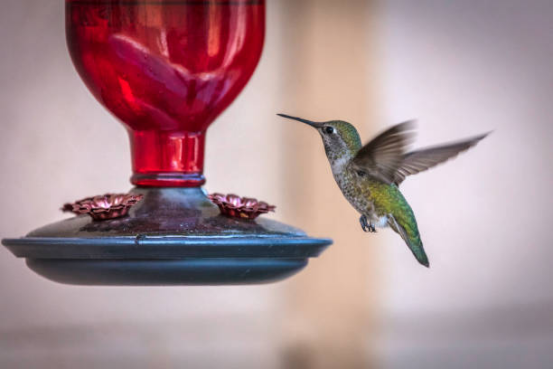
Space is limited on city balconies, so choosing the right hummingbird feeder is especially important. Here are some recommended feeders suitable for city balconies:
- Glass top-fill type: Convenient for observing the amount of sugar water, the top-fill design saves effort and is suitable for small spaces.
- Small-capacity plastic version: lightweight, easy to clean, and suitable for first-time users.
- Decorative glass type: Combining aesthetics and practicality, it adds beauty to the balcony.
- Automatic hydration model: Suitable for busy city life but relatively inexpensive and simple in function.
Key factors for selection:
- Material: Glass is durable and allows for easy observation of the sugar syrup’s consistency; plastic is lightweight but prone to fading.
- Capacity: 10–20 ounces is recommended, which will meet the hummingbird’s needs without taking up too much space.
- Injection method: Top injection or wide-mouth design is more suitable for balcony operation.
- Visual elements: Red or orange details can significantly improve a hummingbird’s attention.
Tips for placing a hummingbird feeder on your balcony: Five techniques to attract hummingbirds
1. A visible and safe location
Hummingbirds will only fly to the hummingbird feeder if they see it. It’s recommended to hang it on a railing or the top of a balcony, about 1.2–1.8 meters high, so they can perch on it while it’s still easy to reach. Be careful not to hang it too close to glass to prevent hummingbirds from hitting the window.
2. Provide short rest stops
Hummingbirds fly fast and need to stop briefly. You can place small branches, bamboo poles, or hooks on the balcony to provide them with a place to perch.
3. Semi-shaded environment
Sugar water will spoil quickly if exposed to direct sunlight. It is recommended to place the hummingbird feeder in a semi-shaded area, such as under a balcony canopy or near the edge of other plants.
4. Visual guidance
Red flowers, colorful ornaments, or small flags can mimic natural flower signals to guide hummingbirds to the location of the sugar water.
5. Avoid predators and obstacles.
Cats, glass windows, and reflective objects can all threaten hummingbirds. Hang items in safe locations away from predation risks, and use window decals to prevent them from bumping into things.
Routine maintenance: Keep the hummingbird station on the balcony active.
While balconies are convenient, they are also more prone to being neglected in terms of cleaning. The following points are essential:
- Homemade sugar syrup: Mix 1 part white sugar with 4 parts warm water. Do not use honey, coloring agents, or artificial sweeteners.
- Cleaning frequency: Change the sugar water every 2–3 days at high temperatures, and thoroughly clean the hummingbird feeder every 5 days.
- Inspect components: Look for sugar stains, mold, or leaks.
- Record observations: Photographing the number of times hummingbirds visit and the length of their stay can help with future optimization.
- Keep the feeding spot stable: Hummingbirds remember the location of food, and frequent movement will cause them to lose trust.
Summarize
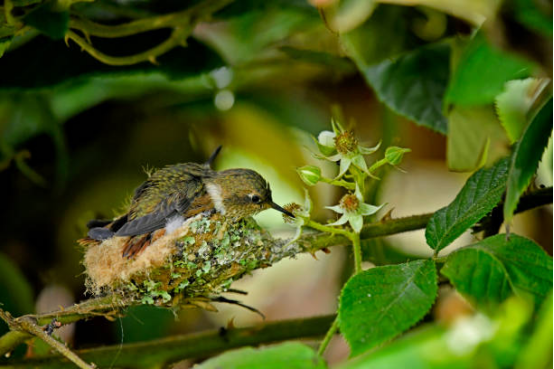
Even an urban balcony, with a little effort in its design, can attract hummingbirds. Key points:
- Choose the right hummingbird feeder: one with appropriate capacity, suitable material, and prominent red details.
- Place it in a visible, safe location with short rest stops and partial shade;
- Use plants and visually guiding elements to increase hummingbird dwell time;
- Keep the area clean, change the sugar water regularly, and keep it away from glass and predators.
When the first hummingbird gracefully lands on the balcony, you’ll discover that even small urban spaces can become part of nature—a true hummingbird paradise.
Try recording their visits and observing their little gestures; your balcony life will instantly become more vibrant and full of surprises.