How to get hummingbirds to stay in your yard regularly? Seasonal hummingbird feeder strategy.

Hummingbirds are always graceful and mysterious, flitting among the flowers, making you want to get closer. Have you ever thought that making hummingbirds regular visitors to your yard isn’t so far-fetched? The key lies in the scientific arrangement of your hummingbird feeder and adjusting your strategy according to seasonal changes. Master these techniques, and your yard can become a small hummingbird paradise.
Table of Contents
Why do hummingbirds prefer your yard?
First, understanding hummingbird behavior is crucial. They rely primarily on sight and smell when searching for food. This means that the arrangement of the yard environment directly affects their willingness to stay.
- Abundant food sources: Hummingbirds prefer liquids with a distinctly sweet taste. A well-designed hummingbird feeder can serve as their energy replenishment station.
- Safe resting environment: Hummingbirds prefer yards with low noise and few natural predators.
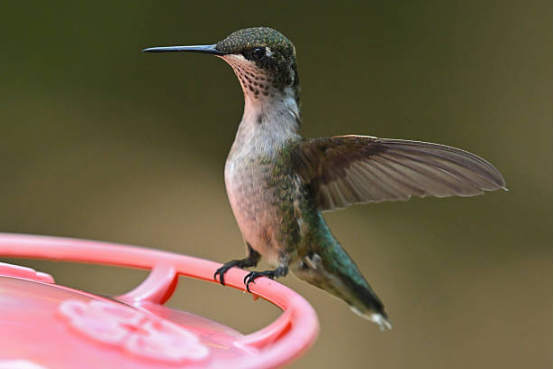
- The layout of resting spots: Branches or small artificial perches can allow hummingbirds to stop briefly, a point that is often overlooked.
Tip: Planting red or orange flowers is not only aesthetically pleasing, but it also attracts hummingbirds more easily. You’ll find that they seem to have a natural preference for bright colors.
How to choose a suitable hummingbird feeder
Choosing a hummingbird feeder isn’t just about looking pretty; functionality and ease of cleaning also need to be considered. Common types of hummingbird feeders include:
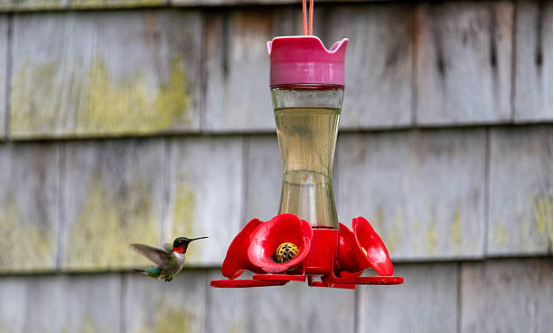
- Glass-top liquid filling model: Transparent for easy observation of the sugar solution’s condition and easy to replenish.
- Small-capacity plastic model: lightweight and easy to hang, perfect for families trying it for the first time.
- Decorative feeders: They are aesthetically pleasing and add a touch of charm to your yard.
- Automatic hydration version: Suitable for busy people, ensuring uninterrupted hydration.
Purchase reference:
- Material: Glass is durable and easy to clean; plastic is lightweight but fades easily.
- Capacity: 10–20 ounces is ideal, satisfying the hummingbird’s appetite while being easy to manage.
- Injection design: Top injection or wide-mouth design for more flexible operation.
- Colors and decorations: Red or orange are most attractive to hummingbirds.
Tip: Don’t put out too many feeders at once; a small, carefully arranged setup is more effective than haphazard placement.
Seasonal deployment strategy of hummingbird feeders
Hummingbirds migrate with the seasons, so the layout of the yard needs to be adjusted accordingly to ensure they continue to visit.
Spring: Establishing a Food Foundation
- Place multiple hummingbird feeders in different corners of the yard to make it easier for hummingbirds to find food.
- Add early-blooming red flowers, such as tulips and primroses.
- Pay attention to cleanliness. In the warm spring, sugar water is prone to fermentation, so clean the feeder every 2-3 days.
- By the way, spring is a great time for birdwatching, as you can see hummingbirds exploring new feeding spots, which is very interesting.
Summer: Enhancing the comfort of your stay
- Provide shaded areas to prevent the syrup from spoiling too quickly.
- Arrange artificial resting points, such as twigs or hooks, to increase the time spent resting.
- Summer temperatures are high, and sugary drinks are consumed quickly, so remember to replenish them promptly.
- Sometimes, the way a hummingbird perches on a branch and briefly surveys its surroundings looks both mischievous and alert.
Autumn: Attracting migratory hummingbirds
- Arrange more brightly colored hummingbird feeders to guide migrating hummingbirds.
- Minimize disturbances and provide them with a safe space to stay.
- To keep the syrup fresh, large temperature differences between day and night can easily cause it to crystallize or spoil.
- You might be surprised to find that there are more migrating hummingbirds than usual, and the yard suddenly becomes lively.
Winter: Feeding in warmer regions
- Using a small-capacity feeder makes it easy for the sugar water to freeze, allowing for frequent changes.
- Place in a sunny spot to prevent the syrup from freezing.
- Reduce the number of feeders; 1–2 main feeders are sufficient.
- The winter sun shines on the hummingbird feeder, and hummingbirds occasionally perch on it, creating a scene as beautiful as a small painting.
Routine maintenance and precautions
Even seasonal decorations require proper daily care:
- Homemade sugar syrup: Mix 1 part white sugar with 4 parts warm water. Avoid honey, artificial sweeteners, or colorings.
- Regular cleaning: Change the sugar water every 2–3 days when the temperature is high, and thoroughly clean the feeder every 5 days.
- Inspect components: If leaks, mold, or stains are found, address them promptly.
- Fixed location: Hummingbirds have strong memories, and frequent changes to the feeder may reduce their visits.
Tip: You can record the time and number of hummingbirds that stay, which is not only fun but also helps optimize your placement strategy.
Additional tips to enhance the attractiveness of your yard
- Plant pairing: Red flowers against a green leafy background create a more visually appealing effect.
- Water source: Small fountains or dripping devices provide a water source and can also serve as additional resting points.
- Safe environment: Avoid cats, glass reflections, or other predators.
- Visual guidance: Use brightly colored ornaments or small flags to attract the hummingbird’s attention to the hummingbird feeder.
These small details sometimes determine whether hummingbirds frequently visit your yard.
Summarize
To keep hummingbirds in your yard, the key is
- We carefully selected hummingbird feeders; they have a moderate capacity, are brightly colored, and are easy to refill.
- Adjust the layout and sugar water replenishment strategy according to the season.
- Provides a safe, semi-shaded environment with rest areas.
- Maintain cleanliness, change the sugar water, and observe the hummingbirds’ activities.
- Combine floral elements and visually guiding elements to enhance appeal.
When a hummingbird gracefully lands beside the hummingbird feeder, you’ll discover that even an urban balcony or courtyard can become a wonderful corner where nature and life blend seamlessly.