Hummingbird activity patterns in the morning and evening and feeding schedule for hummingbird feeders

yourself Watching hummingbirds gracefully flutter in the garden is a dream for many nature lovers. If you have a hummingbird feeder at home, understanding the hummingbirds’ activity patterns is especially important. Only by knowing when they are most active during the day can you maximize the feeder’s value and allow yourself to observe every wonderful moment of these little creatures.
Hummingbirds have an extremely high metabolism; they can burn off the energy from their previous meal in just a few minutes. Simply put, they need to replenish their sugar levels almost constantly, which is why you’ll find hummingbirds are particularly active in the morning and evening. Understanding these patterns allows us to create a scientifically sound hummingbird feeder schedule, taking care of the birds while also optimizing our viewing experience.
Hummingbird morning peak activity
From dormancy to high-speed operation
- Hummingbirds awaken from their “hibernation” in the early morning, their body temperature and metabolism slowly returning to normal. You might be surprised to find that they head straight for flowers or feeders almost as soon as they appear. The goal at this stage is simple: to quickly replenish their energy and prepare for the day’s activities.
- , If you’re using a hummingbird feeder, it’s recommended to hang it before sunrise or just after sunrise. This way, the hummingbird can find the sugar water as soon as it wakes up, preventing it from searching for other food due to hunger. Here’s a little tip: hang the feeder in a slightly shaded but still conspicuous location, which is both safe and easy to observe.
Small details of active behavior
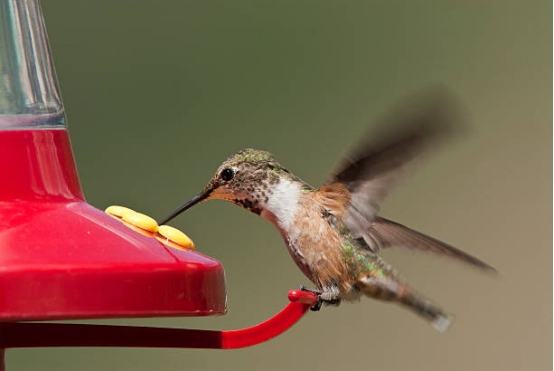
feeders. Hummingbirds often exhibit rapid flight and frequent feeding in the morning, sometimes even engaging in brief skirmishes for hummingbird feeders. This period offers photographers the best opportunity to capture their vitality and plumage. It’s worth noting that hummingbird activity is often more concentrated and intense in the morning than at midday, making this time of day extremely valuable for observation.
The final sprint in the evening
Energy reserves and nighttime preparation
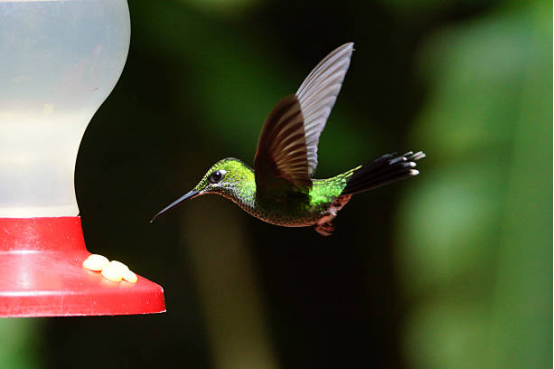
Hummingbirds also reach peak activity at dusk, making their final preparations for a night’s rest. This sugar replenishment not only supports their basal metabolism at night but also keeps them safer during cold weather or migration.
Therefore, keeping your hummingbird feeder well-hydrated 1-2 hours before sunset not only takes care of the hummingbirds but also ensures you get to see the busiest birdwatching scenes. Tip: Hummingbirds move a little slower in the evening, but their activity is still frequent, making it easy to capture their “refueling moments.”
The pleasure of bird watching at dusk
Hummingbirds often display subtle moods in the evening, such as competing for food, patrolling their territories, and preening their feathers. These behaviors make observation more engaging—it’s not just about them simply flying around. For families with hummingbird feeders, this is also an excellent time to observe their birds’ personalities and habits.
Patterns and precautions during the middle of the day
Although hummingbirds are most active in the early morning and evening, they also forage at midday and in the afternoon, but at a significantly lower frequency. During these times, they spend more time resting among the branches, patrolling their territory, or interacting with other hummingbirds.
If you only put out the hummingbird feeder at midday, you might miss the morning and evening peak times. It’s recommended to keep the feeder well-stocked throughout the day, but focus on the morning and evening peak times. This arrangement is both effortless and efficient for garden observers.
Scientifically develop a feeding schedule for hummingbird feeders
Timetable Recommendation
Based on the activity patterns of hummingbirds, we can formulate the following feeding schedule:
| Time period | Purpose | Recommended approach |
| Early morning (around 9 a.m. after daybreak) | The hummingbird awakens and urgently needs to replenish its energy. | the hummingbird feeder before sunrise or just after sunrise to ensure the hummingbird water is fresh and visible. |
| Maintain throughout the day | Satisfy the middle stage activities | The sugar water should remain available throughout the day, especially in hot or sunny conditions; check or replace it at midday. |
| Evening (1-2 hours before sunset) | Nighttime energy reserves | Keep the hummingbird well-hydrated before sunset so it can make its final sprint. |
| From late night to early morning | Night rest | The hummingbird has almost stopped eating, so you can keep the feeder running, but no additional action is required. |
Practical tips for using feeders
- Prepare in advance: Before the migration season, prepare the hummingbird feeder so that the hummingbirds can get used to it as soon as possible.
- Cleaning and maintenance: Check the sugar solution daily or every other day to prevent mold or ants.
- Location selection: Hang it in an open, slightly shaded place for easy observation and safety.
- Flexible adjustment: Adjustments can be made based on sunrise and sunset times, weather, and migration patterns.
Benefits of following the rules for hummingbirds and their viewers
For hummingbirds
- Replenishing key energy sources and aligning with physiological rhythms
- Reduce territorial disputes and lower stress levels
- Support for migration and nighttime survival
For viewers
- Enhance the viewing and shooting experience
- Save hummingbird feeder maintenance time
- Increase Hummingbird’s regular visit rate
Summary and Action Recommendations
By understanding the activity patterns of hummingbirds at dawn and dusk and combining this with the scientific feeding schedule provided by Hummingbird Feeder, you can not only provide practical help to these little elves but also enjoy every wonderful birdwatching experience.
Key reminder:
- Early morning is the starting point for hummingbirds to replenish their energy.
- Evening is the final sprint for nighttime energy reserves.
- Sugar water is available throughout the day, but mornings and evenings are the key times.
- Cleanliness, location, and fresh sugar water are key to success.
By following this principle, your garden will become an ideal habitat for hummingbirds, allowing you to enjoy close encounters with these charming little birds every day. Next time you hang up your hummingbird feeder, try sitting by the window and quietly observing their busy morning and evening routines—you’ll find that these little flying wonders are truly captivating.