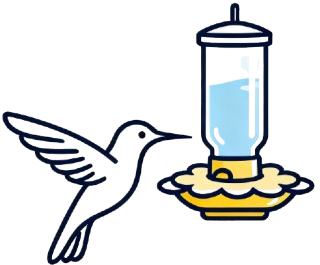
Hummingbird Feeder: Family Gatherings and Hummingbird Watching: Creating a Nature Experience Zone

Setting up a hummingbird feeder in your backyard or family garden is more than just birdwatching; it adds a touch of natural charm to family gatherings. The graceful hummingbirds flitting around the feeder are a lively and entertaining sight. This article will guide you through designing your nature-themed area, selecting plants and feeders, layout strategies, and maintenance, helping you create a comprehensive ecological space perfect for family gatherings and hummingbird observation.
I. Why is it particularly meaningful to include hummingbird observation in family gatherings?
1. Ecological Education and Interactive Experience
Placing a hummingbird feeder in the garden allows family members, especially children, to observe nature up close. You’ll be surprised to find that hummingbirds are particularly sensitive to color, favoring brightly colored flowers like red, orange, and pink, as well as red decorations on feeders. This provides a natural learning opportunity for family gatherings: children can record hummingbird behavior and even create simple feeder hanging spots themselves, which is both fun and helps cultivate environmental awareness.
2. Beautify the courtyard and add dynamism.
The swift flight of hummingbirds is one of the most vibrant sights in a garden. A hummingbird feeder not only provides refreshments but also adds visual interest to the yard. Imagine family and friends gathering in the garden, watching the hummingbirds feed and feeling the rhythm of nature—an irreplaceable experience.
3. Support local biodiversity
By providing safe feeders and resting spots, you’re giving your yard’s hummingbirds a source of replenishment while also attracting other native wildlife. Wildlife experts point out that hummingbird feeders should be used in conjunction with native plants, which not only encourages hummingbirds to stay longer but also promotes a healthier garden ecosystem.
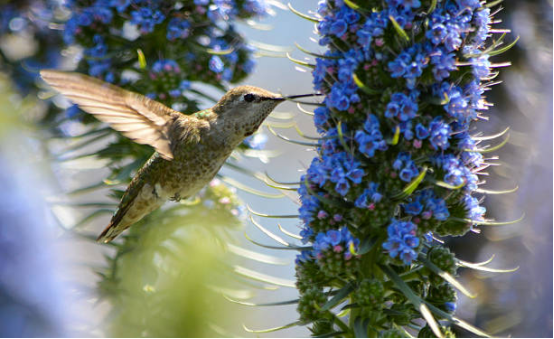
II. The perfect combination of plants and hummingbird feeder
1. Choose local plants that hummingbirds like.
Hummingbirds prefer brightly colored, tubular flowers. The following types are suitable for home gardens:
- Trumpet Honeysuckle: A climbing vine with red flowers that are very attractive to hummingbirds.
- Cardinal Flower: Tall flowers, rich in nectar.
- Bee Balm / Monarda: Works well when planted in groups; flowers are reddish-purple.
- Penstemon: A perennial, drought-tolerant plant with tubular flowers that facilitate nectar absorption.
- Fuchsia: Hanging baskets or containers are best for planting, with the hanging flowers being closer to the feeder.
Tip: Choose plants with staggered flowering times to ensure a continuous food source for hummingbirds throughout the season. Planting in groups (3-5 plants of each variety) is more effective than planting a single plant and is more likely to attract hummingbirds.
2. Layout principles: layering and color guidance
- Layered design: Place tall trees or shrubs in the back and plant low perennial plants in the front to create a sense of depth.
- Group planting effect: When the same plants are planted together, the nectar density is high, and hummingbirds can find them more quickly.
- Color blocks: Red or orange flower areas can serve as visual guides, naturally leading the hummingbird’s flight path to the hummingbird feeder.
3. Provide water and safe rest areas.
Hummingbirds love fine mist or dripping water. Suitable features for home gardens include:
- sprayer or small drip device
- Shallow water basin or water accumulation on leaves
- Shrubs and shrubs were planted next to the spraying equipment to serve as a safe rest area.
III. Hummingbird Feeder Deployment Strategy
1. Multi-point layout
A single feeder can easily be monopolized. Recommendation:
- Set up at least 2–3 hummingbird feeders
- The buildings are of varying heights, spaced approximately 4–5 meters apart.
- Integrate into the plant community to avoid feeling isolated
2. Shade and rest areas
- Partial shade to prevent the sugar water from spoiling quickly due to direct sunlight.
- Place branches or small shrubs next to the feeder so that hummingbirds can easily perch on them.
3. Cleaning and Maintenance
- Clean the hummingbird feeder regularly to prevent mold growth.
- The recommended sugar-to-water ratio is 4:1 (four parts water to one part sugar). Do not add artificial coloring.
- Avoid using pesticides and keep your garden naturally healthy.
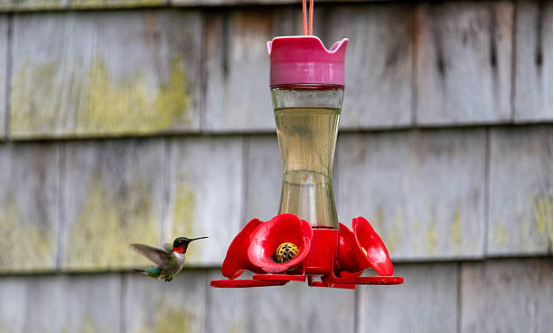
IV. Creating a natural experience area for family gatherings
1. Spatial Planning
- Central area: Suitable for placing tables and chairs or an outdoor gathering area
- Hummingbird Corner: Feeders and plants create a visual focal point
- Birdwatching trails: Leave enough space for both people and birds.
2. Activity Suggestions
- Family members take turns observing the hummingbird and recording its behavior.
- Children can participate in cleaning the feeder or giving them sugar water.
- Incorporate nature education elements into the gathering, such as explaining the interaction between plants and hummingbirds.
3. Small space optimization
If space is limited (balcony, urban courtyard):
- Use hanging containers or pots to grow Fuchsia, Salvia, and Penstemon.
- Hummingbird feeders can be hung next to potted plants or on railings.
- Set up a small sprayer to provide water for the hummingbirds.
V. Common Problems and Solutions
The hummingbirds are not coming.
- Check if the plant is native and has tubular flowers.
- Does the feeder have shade and resting spots?
- Be patient; it may take several weeks for the hummingbird to find a new food source.
The hummingbird feeder was occupied by bees.
- Use a feeder with bee and insect protection.
- Adjust the feeder’s position away from the flower bed.
- Keep clean and wash regularly.
The plants are not flowering enough
- Select plants with different flowering periods
- Group planting increases nectar density
- Regular pruning promotes the formation of new flowers
cramped space
- Utilize vertical structures (vines, trellises)
- Use container plants
- The feeder is placed in conjunction with the plant, rather than separately.
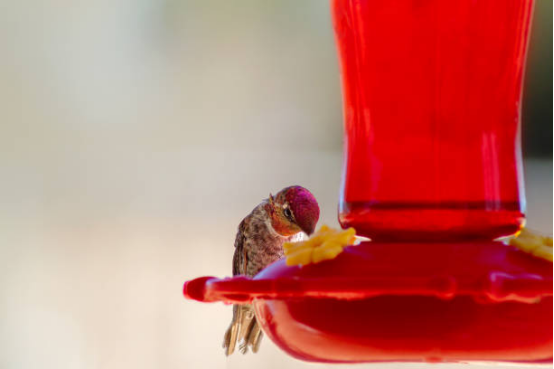
VI. Summary and Recommendations
The key to creating a nature experience area that is suitable for both family gatherings and hummingbird observation lies in:
- Core concept: Deeply integrate the hummingbird feeder with local plants to create a food source, resting place, and safe zone.
- Plant selection: Red, tubular flowers are preferred; use layered, group planting and color-blocking designs.
- Feeder arrangement: multiple points, different heights, partial shade, and natural resting spots.
- Maintenance and management: Regularly clean the feeder, replenish sugar water, avoid pesticides, and observe the hummingbird’s behavior and make adjustments accordingly.
Before you begin setting up, consider drawing up a garden layout plan, marking the locations of hummingbird feeders and plants, and discussing maintenance plans with your family. This way, hummingbirds and your family can coexist happily in your nature-themed area.